
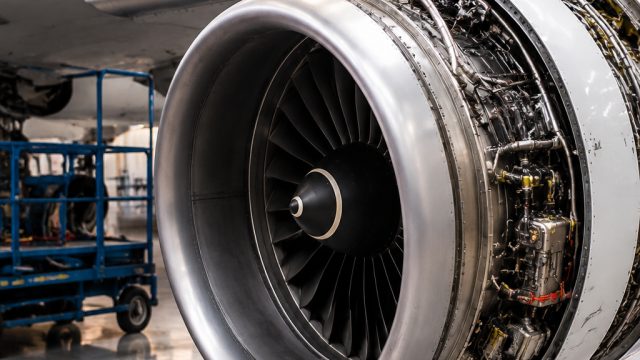
As the aviation industry faces increasing pressure to enhance efficiency and reduce environmental impact, narrowbody aircraft engines are undergoing a transformation. These engines, which power popular single-aisle jets, are being redesigned to offer improved performance, reduced noise, and better fuel efficiency. This shift is critical now as airlines adapt to a post-pandemic market and strive for sustainability.
The Need for Modernization
In recent years, the aviation sector has been pushed to rethink its approach to engine design, particularly for narrowbody models. With rising fuel prices and stricter environmental regulations, the urgency to innovate has never been greater. Modern narrowbody engines are not just about meeting current standards; they aim to set new benchmarks in fuel economy and operational performance.
Enhanced Fuel Efficiency
One of the most significant advancements in narrowbody engine technology is the leap in fuel efficiency. Recent models have adopted advanced technologies such as:
- Higher bypass ratios, which allow engines to produce more thrust while consuming less fuel.
- New materials that withstand higher temperatures, improving performance without increasing weight.
- Innovative turbine designs that optimize airflow and reduce drag.
These improvements are crucial as airlines seek to cut operational costs while minimizing their carbon footprint.
Noise Reduction Innovations
Another area where modern narrowbody engines are making strides is in noise reduction. With growing concerns about noise pollution around airports, manufacturers are implementing solutions to quieten engine operation. Key approaches include:
- Sound-dampening technologies, such as advanced acoustic liners, which reduce noise levels during takeoff and landing.
- Redesigning engine nacelles to improve aerodynamics and minimize noise generation.
- Utilizing variable fan blade angles that reduce noise without sacrificing performance.
These innovations not only help in meeting regulatory requirements but also play a crucial role in maintaining good relations with communities surrounding airports.
Adapting to Post-Pandemic Needs
The COVID-19 pandemic has reshaped the aviation landscape, with many airlines re-evaluating their fleets and operational strategies. Narrowbody aircraft are becoming increasingly popular due to their versatility and efficiency, catering to both domestic and international travel needs. As airlines look to streamline operations, the demand for advanced narrowbody engines will continue to grow.
Market Dynamics
In light of these changes, manufacturers are prioritizing research and development to create engines that not only meet the current demand but also anticipate future needs. This includes:
- Integrating cutting-edge technology such as artificial intelligence for predictive maintenance.
- Exploring alternative fuels to further decrease environmental impact.
- Designing engines that can be easily adapted for hybrid or electric propulsion systems.
These forward-thinking strategies position manufacturers as leaders in an evolving market, ensuring they meet the expectations of modern airlines.
Conclusion: The Future of Narrowbody Engines
The evolution of narrowbody engines is a testament to the aviation industry's commitment to innovation and sustainability. As airlines navigate the complexities of the post-pandemic world, the advancements in engine technology will play a pivotal role in shaping the future of air travel. By investing in modern engines that prioritize efficiency, noise reduction, and adaptability, the industry is poised to meet the demands of both passengers and the planet. These developments underscore the importance of staying informed about the latest trends in aviation technology, making it an exciting time for industry stakeholders.