
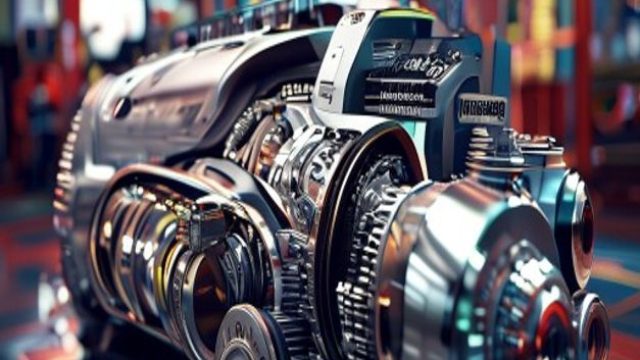
The Evolution of Engine Technology
The automotive industry has undergone significant transformations over the decades, largely driven by advancements in engine technology. Today's vehicles are not just about power; they are about efficiency, sustainability, and connectivity. As we look to the future, several key trends are shaping the landscape.
1. The Rise of Electric Powertrains
Electric vehicles (EVs) are redefining the notion of power in automotive engines. With advancements in battery technology, the range and performance of EVs are improving exponentially. Manufacturers are investing heavily in electric powertrains, aiming for a sustainable future.
2. Hybrid Technology Gains Traction
Hybrid vehicles, which combine traditional gasoline engines with electric motors, are becoming more popular. This technology not only enhances fuel efficiency but also reduces emissions, making it a viable option for environmentally conscious consumers.
3. Smart Engine Technologies
With the advent of IoT (Internet of Things), vehicles are becoming smarter. Engine control units (ECUs) are now equipped with sophisticated software that can adjust performance based on real-time data, improving efficiency and driving experience.
4. Focus on Sustainability
Automakers are under increasing pressure to meet stringent environmental regulations. Innovations like alternative fuels, biofuels, and hydrogen fuel cells are being explored to reduce the carbon footprint of vehicle engines.
Conclusion
The automotive engine technology landscape is evolving rapidly, with a focus on sustainability, efficiency, and intelligence. As consumers, staying informed about these changes can help you make better choices when purchasing your next vehicle.