
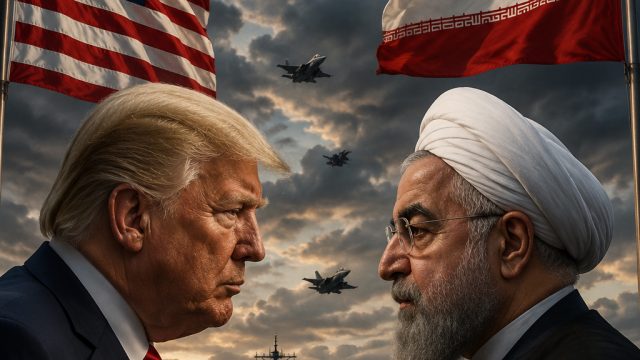
Rising Tensions: U.S. and Iran on the Brink of Conflict
As global attention remains captivated by the unfolding situation in Iran, recent statements from U.S. officials have heightened concerns about a potential escalation of conflict. With President Trump asserting his readiness to take decisive action if Iran violates agreements, the stakes have never been higher. This article delves into the current dynamics of U.S.-Iran relations and what it signifies for international stability.
Understanding the Current Situation
The relationship between the United States and Iran has been fraught with tension for decades. However, recent developments have pushed these tensions to a boiling point. Following a series of sanctions imposed by the U.S. aimed at curbing Iran's nuclear ambitions, Tehran has begun to recalibrate its strategies, which has led to an increasingly precarious geopolitical landscape.
The Impact of U.S. Sanctions
The U.S. has issued sweeping sanctions against Iran, significantly affecting its economy. According to reports, these measures have locked billions of dollars in potential revenue, impacting everyday Iranians and straining the nation’s economic stability. The recent waivers provided by the U.S. government, allowing certain nations to continue importing Iranian oil, have complicated this equation.
- Sanctions have limited Iran's ability to engage in global trade.
- Economic hardship has led to unrest within Iran.
- The U.S. maintains that sanctions are necessary for national security.
- Iran's response has included accelerated nuclear activities.
The Role of Diplomacy and Dialogue
In light of the escalating tensions, the importance of diplomacy cannot be overstated. Various nations have called for a renewed dialogue to mitigate the risks of conflict. The lack of effective communication between Washington and Tehran creates a vacuum that may lead to misunderstandings or miscalculations.
Global Reactions and Implications
Countries around the globe have been closely monitoring the situation. As key players in the Middle East, nations such as Saudi Arabia and Israel have expressed their concerns regarding Iran's military advancements and potential threats to their sovereignty. Meanwhile, European countries are advocating for a balanced approach to prevent further escalation.
- Saudi Arabia has increased military readiness in response to threats.
- Israel is actively preparing for potential Iranian aggression.
- Europe continues to seek diplomatic avenues amid U.S. pressures.
The Potential for Conflict
The prospect of military confrontation remains a significant concern for international observers. President Trump's recent remarks emphasize a hardline approach, which some analysts fear could ignite a war in the region. The realities of modern warfare, including cyber attacks and drone strikes, add complexity to the situation.
The Importance of Global Stability
The implications of a U.S.-Iran conflict extend far beyond the Middle East. Such a confrontation could disrupt global oil markets, lead to a humanitarian crisis, and destabilize neighboring countries. Furthermore, the international community must grapple with the potential fallout of a renewed conflict, including refugee crises and economic downturns.
- Key oil routes could be threatened, impacting global economies.
- Humanitarian issues may arise from military actions.
- Regional stability could be jeopardized, affecting neighboring nations.
Conclusion: Staying Informed is Crucial
As the situation unfolds, it is essential for individuals and leaders alike to stay informed about the dynamics at play in U.S.-Iran relations. Understanding the potential risks and implications can foster better decision-making and encourage diplomatic efforts. In a world increasingly affected by geopolitical strife, the need for informed public discourse and awareness has never been more critical. By monitoring developments and advocating for peace, we can collectively work towards a more stable future.