
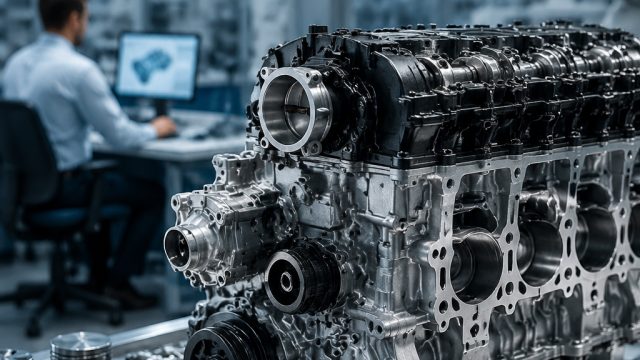
Introduction to Engine Component Innovations
The automotive industry is on the verge of a transformative era, driven by innovative engine components that promise to enhance vehicle performance, efficiency, and sustainability. As manufacturers adapt to changing regulations and consumer demands, understanding these innovations becomes crucial for car enthusiasts, service professionals, and everyday drivers alike.
Key Innovations in Engine Components
1. Lightweight Materials
One of the most significant trends in engine component design is the use of lightweight materials such as aluminum, carbon fiber, and advanced plastics. These materials not only reduce the overall weight of the engine but also improve fuel efficiency and vehicle handling. As manufacturers shift towards electric and hybrid vehicles, these lightweight options are proving essential in enhancing battery life and performance.
2. Advanced Fuel Injection Systems
Modern engines are increasingly equipped with advanced fuel injection systems that optimize fuel delivery in real-time. These systems, including direct injection and multi-point fuel injection, improve combustion efficiency, reduce emissions, and ultimately lead to better fuel economy. The refinement of these technologies is vital as the automotive industry moves towards stricter environmental standards.
3. Turbocharging and Electric Boosting
Turbocharging has gained popularity as a means to enhance engine output without increasing engine size. Coupled with electric boosting technologies, turbocharged engines deliver impressive power while maintaining efficiency. These innovations allow for smaller, lighter vehicles that do not compromise on performance, making them an appealing choice for consumers.
The Role of Engine Management Systems
Engine management systems are becoming increasingly sophisticated, utilizing advanced algorithms and machine learning to optimize engine performance. These systems can adapt to varying driving conditions, improving efficiency and drivability. For maintenance services, understanding these systems is crucial, as they can provide diagnostic information that aids in preventive maintenance.
Smart Diagnostics and Maintenance
Smart diagnostics, enabled by connectivity and sensors, allow vehicle owners and service technicians to monitor engine performance in real-time. This shift towards predictive maintenance helps in identifying issues before they escalate, thereby reducing repair costs and improving safety. As data analytics continues to evolve, the automotive industry can expect more user-friendly solutions that enhance vehicle longevity.
Sustainability in Engine Component Manufacturing
As the world shifts focus towards sustainability, so too does the automotive industry. Manufacturers are increasingly adopting eco-friendly practices in the production of engine components. This includes using recycled materials and reducing waste during manufacturing processes. Brands that prioritize sustainable practices not only comply with regulations but also appeal to a growing market of environmentally conscious consumers.
The Impact on Vehicle Maintenance Services
With the introduction of cutting-edge engine components and technology, vehicle maintenance services are also evolving. Mechanics must stay informed about the latest innovations and their implications for repair and servicing. Training in new technologies, such as electric and hybrid systems, is crucial for service professionals to provide effective maintenance solutions. Consumers are encouraged to seek dealerships and service centers that prioritize ongoing education and the use of advanced diagnostic tools.
Conclusion: Embracing the Future of Automotive Engine Components
The future of engine components in the automotive industry is undoubtedly bright, characterized by innovation and sustainability. As manufacturers continue to develop advanced technologies, the importance of understanding these components for both consumers and service providers cannot be overstated. Staying informed about the latest trends in automotive parts will ensure that vehicles remain efficient, reliable, and prepared for the challenges of tomorrow’s roads.