
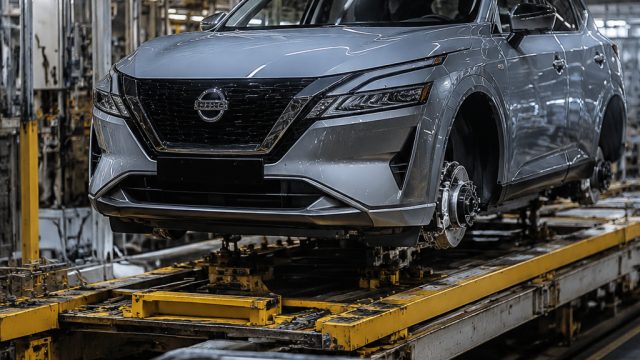
Nissan Pauses Electric Qashqai Production Amid Cost-Cutting Measures
Nissan's decision to pause the development of a fully electric version of its popular Qashqai model has sent ripples through the automotive industry. As the company grapples with rising costs and shifting market dynamics, the move raises questions about the future of electric vehicles (EVs) in Nissan's lineup. This decision comes at a critical time for the global automotive market, as manufacturers strive to adapt to an evolving landscape influenced by consumer preferences for sustainability and technology.
The State of Electric Vehicles in Today's Market
The automotive sector is undergoing a significant transformation, with EVs at the forefront of this evolution. Consumers are increasingly prioritizing electric cars, leading to a surge in demand. However, manufacturers face challenges in balancing production costs with the need to innovate. Nissan's Qashqai, a staple of its lineup, has been a strong seller in Europe, making the decision to shelve its electric variant particularly noteworthy.
Challenges in the Electric Market
- Rising Production Costs: The cost of building electric vehicles has risen substantially, driven by raw material costs and investment in new technologies.
- Market Competition: As more companies enter the EV space, Nissan must consider how to stand out in a crowded marketplace.
- Consumer Preferences: While there is strong interest in sustainability, not all consumers are ready to transition to electric vehicles.
Why the Qashqai's Electric Version Matters Now
The Qashqai is not just any vehicle; it is Nissan's top-selling model in Europe, making its electric version a key element of their strategy to maintain market relevance. The decision to halt this development has broader implications beyond the company itself:
- Impact on EV Adoption: Halting the Qashqai's electric version could slow consumer interest in EVs, particularly if alternative models do not emerge.
- Strategic Decisions: This move indicates that Nissan is reassessing its strategy in light of current economic pressures, which could influence its future model offerings.
- Potential Job Impact: The Sunderland plant, where this development was taking place, may see job implications as projects are scaled back.
Market Reactions
The reaction to Nissan's decision has been mixed. Some industry insiders argue that this move could reflect a broader trend among manufacturers. Others believe it might erode consumer confidence in Nissan's commitment to electric mobility. Whatever the case, the implications of this decision will surely reverberate through the automotive world as stakeholders assess its impact.
The Road Ahead for Nissan
Nissan has emphasized its commitment to electric vehicles, but this recent decision raises questions about its execution strategy. As the company navigates financial pressures, it must also balance the need for innovation with sustainability goals. Analysts suggest that Nissan may focus on enhancing its existing models rather than introducing new electric variants in the near term.
Future Strategies
- Reallocation of Resources: Nissan may redirect resources towards more promising projects that align with consumer demand.
- Exploring Partnerships: Collaborating with technology firms or other automakers could offer fresh avenues for innovation.
- Enhancing Current Offerings: Improving existing models may help bolster sales until a viable electric strategy emerges.
Conclusion
Nissan's decision to halt development of the electric Qashqai underscores the complexities that automakers face in today's changing environment. With EV adoption on the rise yet accompanied by substantial hurdles, manufacturers must strategically navigate this landscape to remain competitive. As Nissan reflects on its future direction, stakeholders and consumers alike will be watching closely to see how this decision shapes the company's trajectory in the electric vehicle market.