
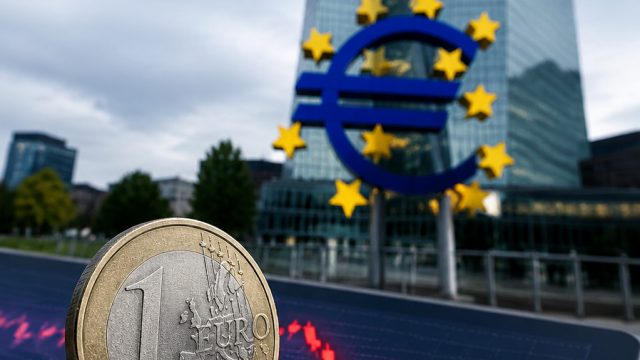
The euro has recently experienced a significant downturn, reaching its lowest point since August. This decline has been spurred by disappointing economic data coupled with dovish remarks from European Central Bank (ECB) President Christine Lagarde. As traders reassess their positions on interest rate hikes, the implications for investors and the broader market landscape cannot be overlooked.
The Current Economic Landscape
As inflation continues to be a pressing issue globally, the economic health of the Eurozone remains in question. Recent reports have indicated that growth forecasts are being revised downward, leading to increased caution among investors. Lagarde's announcement regarding the ECB's approach suggests a potentially softer stance on interest rates than previously anticipated, a move that has made traders hesitate.
Impact of Lagarde's Statements
President Lagarde's comments have led to a re-evaluation of the economic outlook. Her dovish tone indicates that the ECB may not pursue aggressive rate hikes in the near future, which contrasts sharply with the Federal Reserve's more hawkish stance. This divergence is crucial as it highlights varying monetary policy approaches between the two regions, impacting global markets.
Market Reactions and Predictions
Following Lagarde's remarks, the euro saw a swift decline against the dollar. The market's reaction underscores a growing uncertainty. Traders are now hedging their bets, anticipating a prolonged period of low interest rates within the Eurozone, which could further influence the euro's value.
- Short-term projections: Analysts suggest the euro might remain under pressure as investors digest the implications of the ECB's policies.
- Long-term considerations: If economic indicators improve, there may be a shift in sentiment, but immediate prospects look bleak.
Global Investor Sentiment
Investor sentiment plays a pivotal role in currency valuation. With the euro weakening, many are shifting their focus to other markets. The contrasting U.S. economic narrative, characterized by growth and hawkish monetary policy, presents opportunities for investors looking to capitalize on currency fluctuations.
What Should Investors Do Now?
In light of the euro's recent performance and the ECB's cautious approach, investors should consider a diversified strategy. Here are some actionable steps:
- Monitor Economic Indicators: Keep an eye on inflation rates, employment statistics, and GDP growth within the Eurozone.
- Diversify Portfolio: In uncertain times, spreading investments across various assets can mitigate risk.
- Stay Informed: Regularly review ECB announcements and economic analyses for the latest insights.
Potential Opportunities
Despite the current challenges, there are still opportunities for savvy investors. The ongoing fluctuations in the Eurozone's currency can create openings for profitable trades, especially in sectors that benefit from a weaker euro.
Conclusion
The euro's decline serves as a critical reminder of the interplay between economic policy and market sentiment. With the ECB's dovish outlook diverging from the Fed's hawkish stance, investors must remain vigilant and adaptive to these changing dynamics. As we move forward through 2022, staying informed and flexible will be key to navigating the complexities of the global economy.