
Key Takeaways
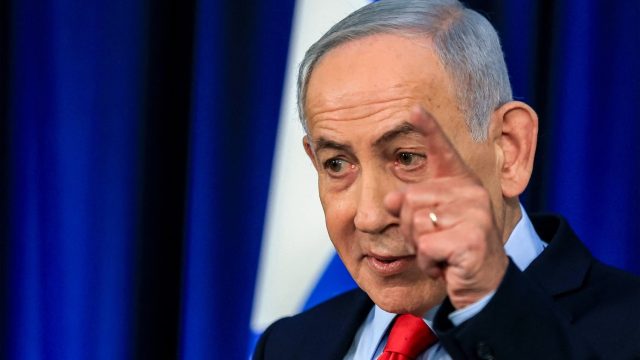
- Political analysts are closely monitoring Netanyahu's strategies ahead of the elections.
- Concerns arise over the potential for engineered security crises to sway public opinion.
- Historically, military conflicts have impacted electoral outcomes in Israel.
- Voter sentiment is shaped significantly by current security conditions and economic performance.
- The upcoming elections are pivotal for Netanyahu's political future amid rising opposition.
The Current Political Climate in Israel
As Israel approaches its upcoming elections, the political landscape appears increasingly complex. Incumbent Prime Minister Benjamin Netanyahu faces significant opposition amid rising public dissatisfaction with governance and socio-economic conditions. Amid these tensions, questions arise about whether Netanyahu will attempt to leverage security events to galvanize voter support.
Historical Context: Security Crises and Elections
Looking back at previous elections, security crises have often played a pivotal role in shaping the electoral landscape in Israel. For instance, during the Gaza conflicts, political leaders often saw spikes in support as national security became front and center in voters' minds. Analysts suggest that Netanyahu, known for his hardline stance on security, could attempt to replicate this strategy.
The Risks of a Manufactured Crisis
While the idea of a manufactured security crisis may seem politically expedient, it carries significant risks. The Israeli electorate is increasingly skeptical of political manipulation, and any perceived disingenuousness could backfire. Moreover, recent military escalations in the region have led to international scrutiny, particularly from Western allies.
Public Sentiment: A Double-Edged Sword
Current polls indicate that public sentiment is deeply affected by ongoing security issues as well as economic challenges like inflation and housing costs. Voters are looking for leadership that not only promises security but also addresses these pressing economic concerns. Netanyahu's government has struggled with public perception as economic issues overshadow security narratives.
Potential Outcomes of the Election
As the elections draw near, the outcomes could significantly reshape the political dynamics in Israel. Should Netanyahu maintain his position, it would likely affirm his approach to governance amid ongoing regional tensions. Conversely, a shift towards opposition parties may signal a new direction in Israeli policy, particularly regarding negotiations with Palestinian groups and broader regional diplomacy.
Impact on the Israeli Economy
The intertwining of political strategies with economic realities presents a pivotal concern. In a volatile region like Southeast Asia, where Indonesia's economic growth poses challenges and opportunities, Israel's stability is crucial. Investors and international partners are closely monitoring the elections, as any instability could have ripple effects on Israel's trade relationships, particularly with ASEAN countries.
Global Reactions and Observations
The international community, especially in markets like Asia and the Middle East, observes Israel's political moves with great interest. Countries are analyzing how shifts in Israeli governance could affect regional security and economic partnerships. The dynamics of the Israeli elections are consequential not just for the nation but for broader geopolitical relationships.
Conclusion: The Road Ahead
As the election period unfolds, the interplay between security and politics will be crucial to watch. Netanyahu's strategies, whether perceived as bold or desperate, will define his legacy as a leader. The international community, particularly investors and neighboring nations, will continue to gauge Israel's stability through the lens of these elections. Ultimately, the outcomes will be pivotal not only for Israel but for the future of Middle Eastern relations.