
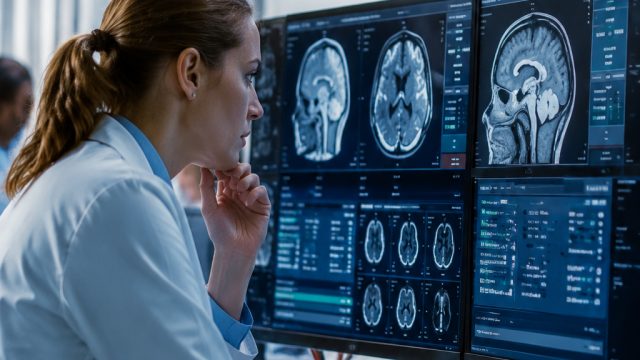
The healthcare industry is witnessing a radical shift with the integration of cutting-edge technology, and at the center of this shift is the medical display market. As healthcare providers increasingly rely on high-resolution imaging for accurate diagnostics, the market for medical displays is projected to reach a staggering $3.45 billion by 2030. This growth signifies not just a trend, but a crucial transformation in how healthcare is delivered and diagnosed globally.
The Role of Medical Displays in Modern Healthcare
Medical displays are vital in ensuring that healthcare professionals can make informed decisions. High-resolution screens enhance the readability of imaging, which facilitates accurate diagnoses, especially in critical situations such as surgeries and complex disease assessments. As the demand for high-quality imaging rises, so too does the importance of advanced medical display technologies.
Key Drivers Behind Market Growth
- Increase in Diagnostic Imaging Procedures: With advancements in imaging technologies, the frequency of diagnostic procedures is increasing, leading to a higher demand for reliable medical displays.
- Digital Transformation in Healthcare: The shift towards digital healthcare solutions is making high-resolution displays not just an option, but a necessity.
- Improved Patient Outcomes: Enhanced imaging capabilities lead to better diagnostic accuracy, directly influencing patient care and outcomes.
Technological Advancements Shaping the Future
As we move towards 2030, several technological advancements are poised to revolutionize the medical display market:
Integration of Artificial Intelligence
Artificial Intelligence (AI) is becoming integrated into medical displays, allowing for real-time image analysis. AI algorithms can assist clinicians by highlighting abnormalities in imaging, leading to faster and more accurate diagnoses.
Enhanced Display Technologies
Emerging display technologies such as OLED and 4K resolution are paving the way for superior imaging quality. These advancements not only improve the clarity of images but also enhance color accuracy, which is crucial for tasks such as identifying tissues in surgical procedures.
Telemedicine and Remote Diagnostics
The rise of telemedicine has underscored the need for reliable medical displays that can function well in various environments, including remote settings. Healthcare professionals now require displays that can provide the same level of detail and clarity as traditional in-office setups.
Market Challenges and Considerations
While the outlook for the medical display market is promising, there are challenges that stakeholders must navigate:
- Cost Implications: High-quality medical displays require significant investment, which may be a barrier for smaller healthcare facilities.
- Regulatory Standards: Adhering to strict healthcare regulations and standards can complicate the procurement and use of medical displays.
- Rapid Technological Changes: Keeping up with the fast pace of technological advancements can be daunting for healthcare providers.
Conclusion: A New Era for Medical Imaging
As the demand for precision in diagnostics continues to rise, the medical display market stands on the brink of significant change. The projected growth to $3.45 billion by 2030 reflects not only the increasing necessity for advanced imaging solutions but also the evolving landscape of healthcare itself. By understanding the drivers and challenges of this market, stakeholders can better prepare for a future where high-resolution imaging becomes an integral part of patient care.
The future of healthcare is illuminated by the clarity and precision of medical displays, signifying a movement towards enhanced diagnostics and improved patient outcomes. As we approach 2030, it is essential for healthcare providers to stay ahead of these trends and invest in technologies that will redefine the standards of care.