
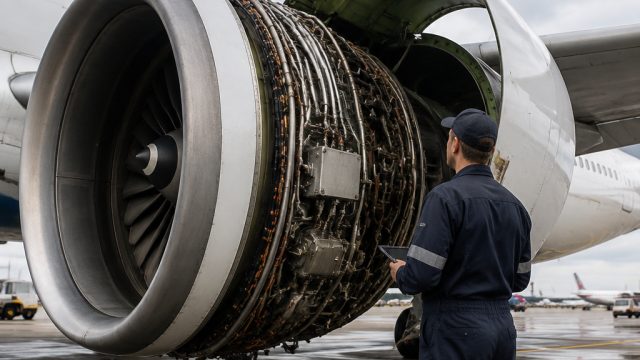
The competitive landscape of the aviation industry is undergoing a significant shift as United Airlines' CEO has openly challenged Rolls-Royce's competitive stance in the selection of engines for the Airbus A350 fleet. In a recent industry forum, the CEO articulated concerns regarding the performance metrics and overall efficiency of the engines provided by Rolls-Royce, raising pertinent questions about the future direction of aircraft engine technology.
Understanding the Current Engine Market Landscape
As airlines worldwide seek to optimize their operational efficiency, the choice of engines plays a critical role. The rise of new technologies and the need for sustainable practices have prompted airlines to critically assess their partnerships with engine manufacturers. Rolls-Royce, known for its long-standing reputation in aerospace engineering, faces stiff competition from other manufacturers such as Pratt & Whitney and General Electric, who are also vying for a larger share of the engine market.
The Stakes for United Airlines
United Airlines, one of the largest players in the aviation sector, is particularly interested in ensuring that it maximizes fuel efficiency and minimizes operational costs. By questioning Rolls-Royce's position, the airline signals its intent to explore options that may yield better performance or cost benefits. This scrutiny comes amid rising fuel prices and increasing regulatory pressures for airlines to reduce their carbon footprints.
Key Factors Influencing Engine Selection
Several critical factors contribute to an airline's decision when choosing engines for their aircraft. These include:
- Fuel Efficiency: Airlines are under pressure to reduce fuel consumption to combat rising operational costs.
- Maintenance Costs: The total cost of ownership includes not just the initial purchase price but also long-term maintenance expenses.
- Technological Advancements: The incorporation of cutting-edge technology can enhance performance and operational reliability.
- Environmental Regulations: Compliance with stringent emissions regulations drives airlines to seek more sustainable engine options.
Rolls-Royce's Response to Industry Challenges
In response to the concerns raised by United Airlines, Rolls-Royce has emphasized its commitment to innovation and customer satisfaction. The company is investing heavily in research and development to improve the efficiency and reliability of its engines. Additionally, Rolls-Royce highlights its record of performance with existing customers, aiming to reassure United and others of its capabilities.
The Future of Engine Technology in Aviation
Looking ahead, the aviation industry is at a crossroads where technology plays an integral role in shaping operational strategies. Airlines are expected to leverage advancements in engine technology to achieve greater ecological and economic efficiencies. Emerging trends include:
- Hybrid and Electric Propulsion: The development of hybrid engines that combine conventional and electric propulsion systems is on the horizon.
- Advanced Materials: Innovations in materials science could lead to lighter and more durable engine components.
- Artificial Intelligence: AI-driven analytics for predictive maintenance can optimize engine performance and reduce downtimes.
The Role of Partnerships in Innovation
Airlines like United can enhance their operational strategies through strategic partnerships with engine manufacturers. Collaborative efforts in research and development can drive breakthroughs in engine efficiency and sustainability, ensuring that the aviation industry remains competitive in a rapidly changing environment.
Conclusion: A Call for Strategic Reevaluation
The recent challenges posed by United Airlines to Rolls-Royce highlight the dynamic nature of the aviation industry. As airlines navigate increasing pressures related to fuel costs and environmental regulations, the importance of innovative and efficient engine solutions becomes paramount. Industry stakeholders must reconsider their strategies and partnerships to ensure they remain at the forefront of technological advancements. The implications of these discussions will reverberate throughout the aviation sector, influencing choices that will shape the future of air travel.