
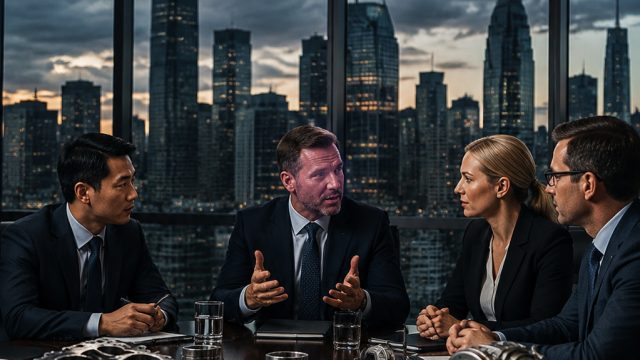
As the world navigates through rapid changes in political landscapes, understanding the intricate power dynamics between leaders becomes increasingly significant. Recent events have underscored how these relationships shape not just local but also global policies. This article delves into the current state of leadership dynamics, why it matters now, and what implications it holds for future governance.
The Role of Leadership in Shaping Global Events
Leaders around the globe hold immense power to influence societal structures, economies, and international relations. Whether it's through direct political action or through soft power techniques, their influence is far-reaching.
Case Study: Emerging Global Powers
- China: The rise of China as a global powerhouse has shifted traditional alliances.
- United States: The U.S. continues to wield significant influence, but faces challenges from other nations.
- European Union: The EU's collective approach demonstrates the power of unity among nations.
The interplay of these nations exemplifies the complexities of global leadership today. The decisions made by these leaders can lead to economic partnerships or, conversely, tensions that affect international stability.
Current Events Shaping Leadership Dynamics
Recent geopolitical events have revealed the fragility of power structures. The ongoing debates around trade agreements, military alliances, and climate change initiatives highlight the delicate balance leaders must maintain.
The Impact of Global Crises
Events that challenge the status quo often reveal the strengths and weaknesses of leaders:
- COVID-19 Pandemic: Exposed the readiness of governments to respond to crises, impacting public trust.
- Climate Change: Demands collaborative international efforts, placing pressure on leaders to act decisively.
- Economic Disparities: Widening gaps in wealth and resources have ignited discussions about equitable leadership.
These issues lead to increasing scrutiny of leaders and their decision-making processes, emphasizing the importance of transparency and accountability.
The Future of Leadership in a Changing World
As we look ahead, the evolving landscape of global leadership presents both challenges and opportunities. The next generation of leaders will need to adapt to the unprecedented pace of change, utilizing technology and innovation.
Essential Qualities for Modern Leaders
Today’s leaders must embody certain qualities to navigate complex environments:
- Adaptability: The ability to pivot in response to changing conditions is crucial.
- Inclusiveness: Engaging diverse perspectives fosters innovation and collaboration.
- Vision: A forward-thinking approach is necessary for effective long-term planning.
Leaders who embrace these traits are more likely to succeed in building trust and effectively addressing the issues facing their communities and nations.
Conclusion: The Importance of Understanding Leadership Dynamics
In summary, power dynamics in global leadership are more relevant than ever. Understanding these relationships is essential not only for political enthusiasts but for every individual affected by the policies and decisions made by those in power. As we navigate through ongoing global challenges, staying informed and engaged with leadership dynamics will empower us to contribute to productive discussions and solutions.
Engagement in conversations about leadership is vital. Whether through local discussions or global forums, each voice contributes to shaping the future of governance and societal structures. Let's continue to ask questions, seek knowledge, and foster a community ready to challenge and support our leaders towards a better tomorrow.