
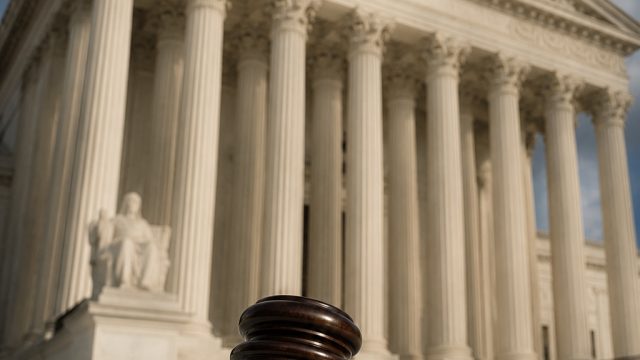
The recent decision by the Supreme Court regarding the rights of a Rastafarian man has sparked significant discourse about the intersection of religious beliefs and prison policies. This ruling emphasizes ongoing challenges faced by individuals seeking to practice their faith within the confines of the legal system, raising critical questions about the balance between institutional authority and personal liberties.
Understanding the Case: A Brief Overview
The case centered on a Rastafarian inmate who alleged that prison officials violated his religious rights by cutting off his dreadlocks, a deeply significant aspect of his cultural and spiritual identity. The Supreme Court's decision dismissed his claims, stating that the prison officials acted within their authority, leading to mixed reactions from civil rights advocates and religious groups.
The Significance of Dreadlocks in Rastafarian Culture
- Spiritual Symbolism: Dreadlocks are not merely a hairstyle for Rastafarians but a representation of their faith, often symbolizing a commitment to a spiritual lifestyle.
- Cultural Identity: For many in the Rastafarian community, dreadlocks signify resistance against oppression and a connection to their heritage.
- Legal Precedents: This case could set a precedent for similar cases in the future, impacting how religious rights are interpreted in correctional facilities.
Implications of the Ruling on Religious Rights
This ruling has far-reaching implications not only for the Rastafarian community but also for all individuals in correctional settings who may face similar restrictions. The decision raises important questions about the extent of religious freedom in prisons:
Key Considerations Surrounding Religious Rights in Prisons
- Balancing Security and Rights: While prison officials must maintain order and safety, it is crucial to consider the impact of their decisions on inmates' rights to religious expression.
- Potential for Future Litigation: This case may open doors for further legal challenges as inmates and advocacy groups seek to protect religious freedoms.
- Public Awareness and Advocacy: Increased awareness can lead to more robust discussions about the treatment of inmates and the respect for their beliefs.
Calls for Change within the System
The Supreme Court's ruling highlights the pressing need for reform within the prison system regarding religious rights. Advocates are urging policymakers to consider changes that would allow for greater respect for individual beliefs while maintaining necessary security protocols.
Proposed Areas for Reform
- Education and Training: Implementing programs that educate prison staff about diverse religions and their significance can foster a more respectful environment.
- Policy Review: Regular reviews of existing policies to ensure they align with constitutional rights could help prevent future violations.
- Dialogue with Religious Leaders: Creating channels for communication between prison officials and religious leaders can enhance understanding and cooperation.
Conclusion: The Path Forward for Religious Rights in Prisons
The Supreme Court's recent ruling serves as a catalyst for essential discussions surrounding religious rights within the prison system. It underscores the need for continued advocacy and reform to ensure that all individuals, regardless of their beliefs, are afforded the respect and freedoms they deserve. As society progresses, it is crucial to prioritize the protection of religious liberties for all, especially within institutions designed to rehabilitate and reform.