
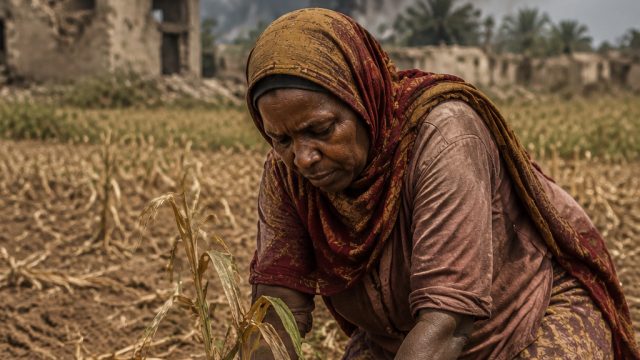
The ongoing tensions around the globe, particularly conflicts like the one in Iran, are casting shadows over the agricultural activities in numerous developing countries. Farmers, who are already grappling with the pressures of climate change and economic instability, find themselves further burdened by rising prices for essential inputs such as fertilizer, fuel, and food. This article delves into how these geopolitical issues affect agriculture in vulnerable nations and why immediate action and awareness are crucial.
The Ripple Effect of Conflict on Agriculture
As the world becomes increasingly interconnected, local conflicts can have far-reaching consequences. The situation in Iran, particularly the reopening of strategic waterways like the Strait of Hormuz, promises minimal relief in the short term for farmers in regions such as the Ivory Coast. The ramifications of such conflicts often lead to exacerbated food scarcity and increased costs across borders.
Higher Prices for Fertilizer and Fuel
- Global fertilizer prices have surged due to supply disruptions caused by conflicts.
- Fuel prices remain volatile, further driving up transportation costs for farmers.
- Increased operational costs force many smallholder farmers to reduce input use, impacting yield.
These financial strains not only affect farmers' livelihoods but also jeopardize food security for entire communities. As inputs become more expensive, the cost of agricultural products inevitably rises, making it difficult for households to afford basic necessities.
Local Farmers in Crisis
In countries already facing economic challenges, local farmers are particularly vulnerable to these shifts. The increasing costs associated with farming can lead to a cycle of poverty, where farmers are unable to invest in their operations, leading to decreased productivity.
The Role of Government and Policy
Governments and policymakers need to take proactive steps to mitigate these impacts. Strategies could include:
- Implementing subsidies for essential agricultural inputs.
- Creating emergency funds to assist farmers in crisis.
- Fostering partnerships with international organizations to secure stable supplies.
Such measures can help cushion the effects of global conflicts on local agricultural sectors and promote resilience in the face of adversity.
Long-term Implications for Food Security
The long-term implications of these conflicts extend beyond immediate agricultural outputs. As food prices rise, the potential for social unrest increases, leading to instability that can further complicate recovery efforts in affected regions. The connection between agricultural sustainability and national security is becoming increasingly apparent.
Community Solutions and Innovations
In light of these challenges, local communities are stepping up to innovate and adapt. Some promising approaches include:
- Utilizing regenerative farming practices to enhance soil health and reduce dependency on chemical fertilizers.
- Adopting drought-resistant crop varieties to cope with changing climate conditions.
- Exploring alternative markets for local produce to enhance profitability.
These grassroots solutions showcase the resilience of farmers and their communities, but they require support from both local and international entities to be sustainable.
Conclusion: The Call for Global Action
As global conflicts continue to threaten the agriculture sector, it is imperative for stakeholders—from farmers to policymakers—to work collaboratively to address the challenges posed by rising prices and supply uncertainties. Immediate and sustained actions are needed to support vulnerable populations and ensure food security. The time to act is now, as the stability of agricultural systems worldwide hangs in the balance.