
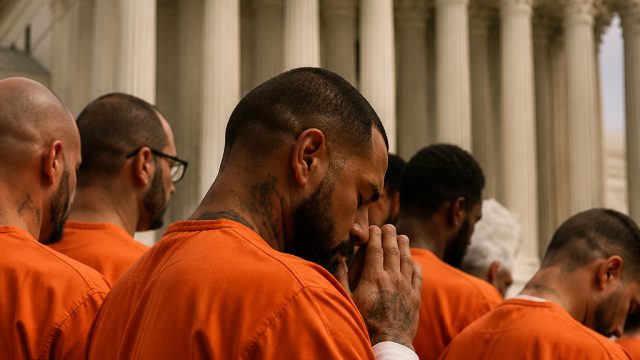
The recent ruling by the Supreme Court regarding the rights of inmates has stirred significant discussion, particularly emphasizing the balance between prison regulations and individual freedoms. The case centered around Damon Landor, a Rastafarian inmate who argued that prison officials infringed upon his religious rights by forcibly shaving off his dreadlocks. This decision not only affects Landor but also sets a precedent for how inmates' rights are treated in the future.
An Overview of the Case
Damon Landor, while serving his sentence in a Louisiana prison, faced the controversial decision from prison officials to cut his dreadlocks, a fundamental aspect of his Rastafarian faith. The Supreme Court's refusal to hear his appeal has raised concerns about the protection of religious freedoms in correctional facilities.
The Arguments Presented
- Landor's legal representatives argued that dreadlocks are an integral part of Rastafarian culture, symbolizing a deep connection to their faith.
- On the other hand, prison officials maintained that hair regulations are necessary for security and health reasons.
The Implications of the Ruling
This ruling signifies a critical moment in the ongoing debate over religious freedoms in prisons. The Court's decision not only reflects its stance on the importance of institutional security but also raises questions about the extent to which inmates can practice their faith.
Potential Consequences
- Increased scrutiny on prison policies regarding hair and personal expression.
- Possible legislative changes to protect religious freedoms, depending on public reaction.
- Highlighting the need for educational programs within prisons to understand diverse cultural backgrounds.
The Broader Conversation on Inmate Rights
This case comes at a time when the discussion around inmate rights and reform is more crucial than ever. With increasing awareness of the challenges faced by incarcerated individuals, it's imperative to examine how such legal precedents can shape future prison policies.
Public Perception and Future Actions
Public opinion is shifting towards greater empathy for inmates. Many are advocating for reforms that respect individual rights while maintaining safety and order within prison systems.
Conclusion: A Call for Awareness and Change
The Supreme Court's decision concerning Damon Landor's case serves as a reminder of the delicate balance between security and personal freedoms. As society grapples with issues of justice and rehabilitation, it is essential to recognize the importance of religious rights for all individuals, including those who are incarcerated. Engaging in discussions around these topics can pave the way for meaningful change and foster a system that honors both safety and spirituality.