
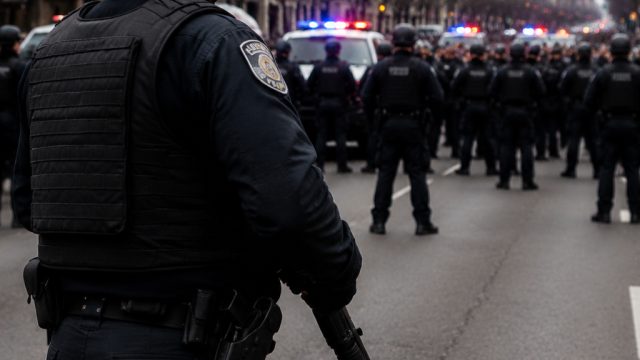
In recent days, law enforcement agencies across Canada have found themselves on heightened alert due to concerns stemming from a tragic shooting incident that has raised serious questions about officer safety and public security. The shooting, which claimed the life of a police officer in Montreal, has prompted an urgent response from various police forces who are now wary of potential anti-police sentiments flooding the social landscape.
The Triggering Incident
The officer slain in the shooting, identified as 34-year-old Mohamed Lamine Benredouane, was reportedly engaged in a routine operation that escalated into violence. This incident has not only shocked the local community but has also catalyzed discussions on the broader implications surrounding police safety and community relations.
Immediate Reactions from Law Enforcement
Following this tragic event, the Royal Canadian Mounted Police (RCMP) and other local police departments are examining the possibility of a growing anti-police narrative. Their concerns stem from recent trends where similar incidents have been documented, indicating that some individuals may be motivated by radical sentiments against law enforcement.
Warning Signs and Community Impact
- Increased social media discussions around anti-police views.
- Heightened security measures in various law enforcement agencies.
- Public forums and discussions on police-community relations.
- Collaboration between police forces to monitor potential threats.
The Bigger Picture: Community Relations
As police forces brace for the possibility of escalating tensions, it becomes increasingly important to consider the relationship between law enforcement and the communities they serve. The recent shooting incident and subsequent alerts have sparked conversations around trust, transparency, and public safety.
Building Trust in Challenging Times
In the aftermath of such harrowing events, building and maintaining trust between police officers and community members is paramount. Here are some strategies being discussed:
- Engaging community leaders in open dialogues.
- Conducting educational programs around law enforcement duties and community rights.
- Promoting transparency through community oversight and feedback mechanisms.
Looking Ahead: Preventive Measures
As the risks of anti-police sentiments loom, many police departments are taking proactive steps to prevent further violence and protect both officers and citizens. The focus is not only on immediate responses to threats but also on long-term strategies to mitigate risk and enhance public safety.
Implementing New Protocols
Several police forces are considering the implementation of new protocols aimed at fostering safety, including:
- Enhanced mental health support for officers to handle stressors related to their job.
- Community outreach programs to address grievances and enhance understanding.
- Collaborative approaches with social services to tackle the root causes of crime.
Conclusion: A Call for Unity
The recent incidents serve as a critical reminder of the challenges faced by law enforcement and the communities they protect. As police forces work diligently to navigate these turbulent waters, it is crucial for all stakeholders to engage constructively. By fostering dialogue, understanding, and collaboration, we can collectively strive for a safer environment where trust prevails over fear.
In these uncertain times, staying informed and involved in community safety discussions is essential. For more insights and updates on law enforcement and public safety, be sure to visit our site regularly.