
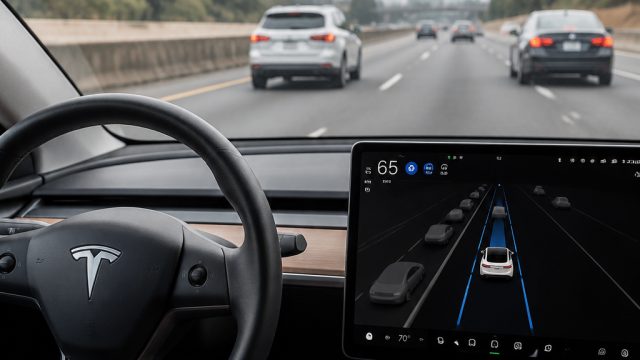
The recent fatal incident involving a Tesla vehicle in Texas has once again raised critical questions about the safety and reliability of autonomous driving technologies. As more consumers embrace the notion of self-driving cars, the responsibility of manufacturers to ensure safety is being scrutinized like never before. In this case, Tesla has acknowledged that its Full Self-Driving (FSD) system was active during the crash, leading to discussions surrounding the implications of this technology on public safety.
The Incident: What Happened?
In early October 2023, a Tesla vehicle equipped with the company's Full Self-Driving software tragically crashed into a home in Texas, resulting in the death of a 76-year-old woman. Preliminary investigations revealed that the vehicle was operating under FSD mode, prompting an immediate federal probe by the National Highway Traffic Safety Administration (NHTSA).
Understanding the Role of FSD
Tesla's FSD system is designed to assist drivers in navigating various road conditions and situations. However, the technology is not infallible and has been the subject of ongoing debates among engineers, safety advocates, and the general public. Critics argue that FSD gives drivers a false sense of security, leading them to override safety protocols.
Tesla's Response: Accountability and Safety Measures
Following the crash, Tesla issued a statement asserting that the driver had deliberately overridden the system in an unsafe manner. This response has sparked further discussion about the level of control users should maintain when utilizing advanced driver-assistance technologies. The company emphasized its commitment to safety but faces growing pressure to enhance transparency about how its technology functions.
Public Reaction and Media Coverage
The media has extensively covered the incident, focusing on both the emotional impact on the victim's family and the broader implications for future autonomous driving technologies. Public sentiment is shifting, with many advocating for stricter regulations and clearer guidelines for the use of FSD systems.
The Future of Autonomous Driving: Navigating Challenges Ahead
As Tesla and other manufacturers push forward with self-driving technologies, the importance of comprehensive safety measures cannot be overstated. Industry experts caution that without stringent regulations and thorough testing, the risks associated with these innovations will continue to rise.
Key Considerations for Consumers
- Understanding Technology Limitations: Consumers should be educated about the capabilities and limitations of FSD and similar technologies.
- Ongoing Education: Users must remain vigilant and attentive while using these systems, understanding that they are not substitutes for driver responsibility.
- Regulatory Developments: Keep an eye on emerging regulations that may affect how these technologies are deployed and monitored in the future.
Conclusion: A Call for Responsible Innovation
As the automotive industry evolves, the balance between technological advancement and safety must remain a priority. The recent incident in Texas serves as a sobering reminder of the potential dangers of self-driving cars when not used responsibly. Stakeholders across the board—manufacturers, regulators, and consumers—must collaborate to ensure that safety continues to be at the forefront of automotive innovation. The future of driving hinges on our ability to navigate these complexities together.