
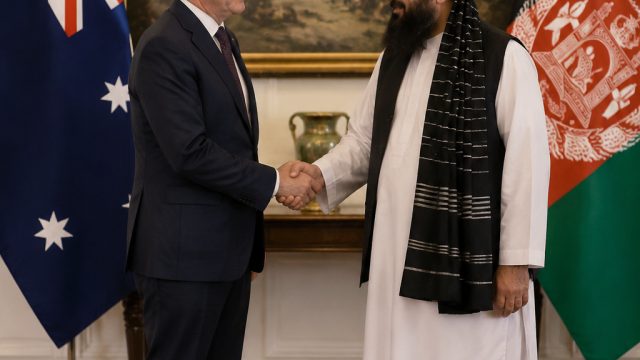
In a significant move reflecting Australia's ongoing commitment to human rights, the Australian Parliament has recently relaunched its Friendship Group dedicated to Afghan citizens. This bipartisan effort is particularly focused on supporting women and girls in Afghanistan, who have faced severe restrictions and rights violations under Taliban rule. As the situation in Afghanistan continues to evolve, this initiative highlights the importance of international solidarity and advocacy for vulnerable populations.
The Background of Australia's Support for Afghan Citizens
Australia's engagement with Afghanistan dates back many years, marked by military involvement and humanitarian efforts. Following the Taliban's return to power, the Australian government has faced mounting pressure to address the human rights abuses occurring in the country. The relaunch of the Friendship Group is a clear indication that Australia is taking a stand and reaffirming its role as a supporter of Afghans, especially women and children.
Why This Matters Now
The timing of this initiative is crucial. Since the Taliban regained control, countless Afghans have struggled under oppressive conditions, with women largely barred from education and employment. The reestablishment of the Friendship Group serves as a platform for advocating on behalf of those who have been silenced and marginalized.
- Focus on women's rights and education
- Support for displaced Afghans and refugees
- Promotion of international human rights standards
What the Friendship Group Aims to Achieve
The relaunch of the Friendship Group marks a new chapter in Australia-Afghanistan relations. The group's objectives include:
- Advocacy: Championing Afghan women's rights and pushing for educational opportunities.
- Awareness: Raising public consciousness about the plight of Afghan citizens.
- Collaboration: Working with NGOs and international bodies to deliver humanitarian aid.
Highlighting Women's Rights in Afghanistan
One of the central focuses of the Friendship Group is to elevate the conversation around women's rights in Afghanistan. Reports have surfaced documenting the dire conditions faced by Afghan women under the Taliban, which include:
- Restrictions on movement and assembly
- Bans on education for girls
- Exclusion from public life and employment opportunities
By emphasizing these issues, the Friendship Group aims to foster a better understanding of the challenges faced by Afghan women and the necessity for global action.
Building Partnerships for Effective Support
In order to maximize impact, the Friendship Group will seek partnerships with various organizations and stakeholders, including:
- International NGOs working in Afghanistan
- Local Afghan women's groups
- Government agencies focused on foreign aid and humanitarian efforts
By collaborating with these entities, Australia can ensure that its support is both effective and sustainable, providing meaningful assistance to those in need.
Future Implications of the Initiative
The relaunch of the Friendship Group could have lasting implications for Australia's foreign policy and its relationship with Afghanistan. As the world watches closely, Australia has the opportunity to lead by example, showing that it values human rights and is willing to take action in the face of adversity.
Conclusion
As Australia reinvigorates its Friendship Group with Afghan citizens, the message is clear: the nation stands in solidarity with those facing oppression. This initiative is not just a political statement; it is a commitment to uphold human rights, particularly for women and girls in Afghanistan. With ongoing global attention on the crisis, now is the time for nations to unite in support of freedom and dignity for all.