
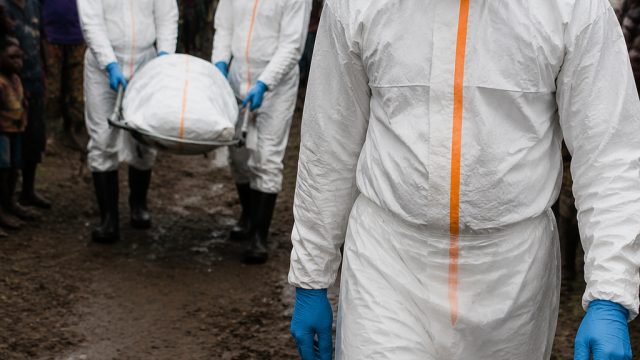
The World Health Organization (WHO) has reported unprecedented levels of Ebola cases in the Democratic Republic of the Congo (DRC) within the first month of the latest outbreak. As cases soar, public health experts are raising alarms about the implications of this alarming trend, emphasizing the need for immediate action.
A Surging Crisis
As of now, the DRC has witnessed over 1,000 reported cases of Ebola, with a staggering number of fatalities exceeding 250. This marks the highest first-month total recorded in any Ebola outbreak. Health professionals and organizations are reinforcing the urgent need for widespread testing, contact tracing, and vaccination initiatives to curb the rising tide of infections.
Understanding the Situation
Experts are concerned about the speed at which the virus is spreading, especially with frontline health workers among the infected. This not only hampers the response efforts but also increases the vulnerability of communities dependent on these professionals for health services. With this outbreak surpassing previous records, it raises critical questions about preparedness and response strategies.
- Over 1,000 confirmed cases reported.
- High death toll exceeding 250.
- Frontline health workers affected.
- Concerns over community vulnerability.
Implications for Public Health
With such a rapid increase in cases, the implications extend beyond immediate health concerns. The WHO has highlighted the potential for the outbreak to spill over into neighboring regions, raising international alarm. Countries across Africa must be on high alert, reinforcing their health systems to prepare for any potential influx of cases.
The Role of Vaccination
Vaccines are a critical tool in combating the spread of Ebola. The DRC has recently been ramping up its vaccination campaigns, targeting vulnerable populations and healthcare workers. However, challenges remain, including vaccine supply chains and ensuring that communities are willing to participate in vaccination efforts.
Call to Action
As the situation in the DRC continues to develop, there is a pressing need for both local and global stakeholders to coordinate their efforts. Organizations such as UNICEF and the WHO are working tirelessly to provide resources and support, but they cannot do it alone. Now is the time for individuals and nations to come together to assist those affected by the outbreak.
How You Can Help
Awareness is key to combatting Ebola. Here are some ways you can contribute to the efforts:
- Educate yourself and others about Ebola and its transmission.
- Support organizations working on the ground in affected areas.
- Advocate for public health funding and resources.
- Participate in awareness campaigns to inform your community.
Conclusion
The record number of Ebola cases reported in the first month of this outbreak is a stark reminder of the continuous threat posed by infectious diseases. The current situation demands immediate action, comprehensive strategies, and global solidarity. Together, we can work towards mitigating the impact of this epidemic and protecting vulnerable populations from the devastating effects of Ebola.