
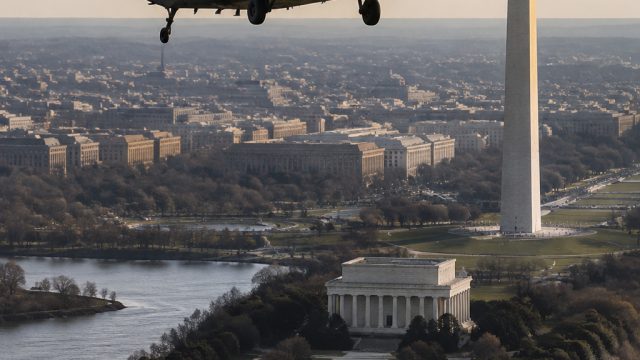
In a significant shift for aviation safety, U.S. Coast Guard leaders have expressed serious concerns regarding recent adjustments to the airspace over Washington, D.C. These changes, enacted by the Federal Aviation Administration (FAA), have raised alarms about the potential for increased helicopter collision risks. Following a midair accident that occurred in January 2025, the implications of these revisions are critical as they could adversely affect aviation operations in this densely populated region.
The Context Behind the Changes
The FAA’s decision to alter airspace structures around the nation’s capital was reportedly aimed at improving traffic flow and reducing congestion. However, the Coast Guard's evaluation suggests that these modifications may have overlooked the unique challenges presented by helicopter operations in urban environments. With D.C.'s limited airspace and high volume of emergency and private helicopter flights, the potential for accidents has become a pressing concern.
Recent Incidents Highlighting the Risk
The January 2025 midair collision that prompted these changes serves as a stark reminder of the dangers faced by helicopters operating in close proximity to each other and other aircraft. Reports indicate that this incident involved several helicopters and resulted in injuries, underscoring the need for heightened safety measures in the region.
Coast Guard's Critique of FAA's Revisions
Coast Guard aviation leaders have voiced strong criticism of the FAA’s airspace revisions, suggesting that the new layout fails to adequately account for the operational realities faced by helicopters. Some of the main points of concern include:
- Increased flight density: Changes in the airspace have led to more congested flight paths, increasing the likelihood of encounters between helicopters.
- Emergency response challenges: Helicopters are often used for urgent medical and rescue operations, and the revised airspace may hinder their ability to respond swiftly to emergencies.
- Training and compliance issues: The new airspace structure requires pilots to adapt to new regulations and routes, which may lead to confusion and non-compliance.
The Need for Reevaluation
With these concerns in mind, experts are urging a comprehensive reevaluation of the airspace changes. Discussions among aviation safety stakeholders, including the Coast Guard, FAA, and various helicopter operators, are vital to ensure that safety protocols are established and maintained. Addressing these issues early can prevent further incidents and protect those who rely on helicopter services in the area.
What Can Be Done?
Moving forward, stakeholders must consider several strategies to enhance helicopter safety in D.C.:
- Enhanced Communication: Establishing better communication channels among aviation authorities, pilots, and air traffic control is crucial for real-time updates and safety alerts.
- Technology Integration: Utilizing advanced tracking and communication technologies can help mitigate risks and improve situational awareness for helicopter pilots.
- Regular Training and Drills: Continuous training for pilots and ground staff on the new airspace requirements can ensure preparedness and reduce the risk of accidents.
Conclusion: A Call for Action
The changes to D.C.'s airspace present both challenges and opportunities for improving helicopter safety. With the potential for increased accident risk, the aviation community must prioritize safety and re-evaluate operational protocols. The Coast Guard's warnings should serve as a catalyst for immediate action, promoting dialogue and collaboration among all stakeholders to ensure the safety of those who navigate the skies above the nation's capital. By addressing these concerns proactively, we can safeguard the future of helicopter operations in this vital region.