
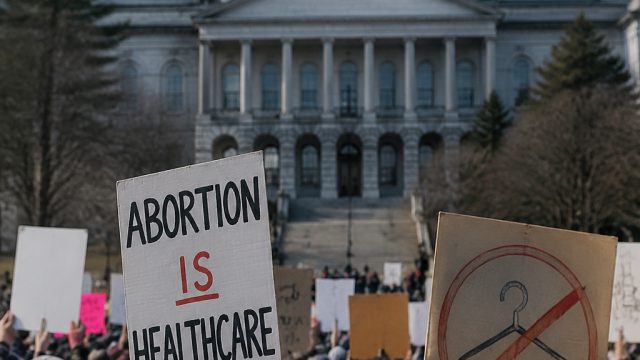
In the wake of the Supreme Court’s controversial decision to overturn Roe v. Wade, many states are grappling with the implications for local abortion laws. One state that has seen an interesting response is Maine, where Senator Susan Collins claims that the ruling has had little to no impact. This assertion raises critical questions about the actual effects of such high-profile judicial decisions on state legislation and local practice.
The Context of the Supreme Court Decision
In 2022, the Supreme Court ruled in a way that fundamentally altered the landscape of reproductive rights across the United States. However, the response in Maine has been markedly different compared to many other states. With Collins stating that the ruling “has not had an impact on the state of Maine,” one must analyze the local political dynamics and the existing laws that govern reproductive health.
Maine’s Legislative Environment
- Expansion of Abortion Access: Maine has long been recognized for its progressive stance on reproductive rights. Even before the Supreme Court’s decision, the state had enacted laws that firmly protected access to abortion services.
- Public Support: Polls indicate that a significant majority of Maine residents support maintaining and even expanding access to abortion services, which likely influences legislative actions.
- Political Climate: With strong advocacy groups and a Democratic-controlled legislature, Maine has seen proactive measures to safeguard reproductive rights.
This supportive environment has allowed Maine to expand its abortion laws, effectively countering the national trend seen in states that have enacted stricter measures following the Supreme Court ruling.
Examining the Claims of Impact
Collins asserts that the ruling has not changed the landscape of abortion access in Maine. However, examining the timeline and the nature of the legislative amendments is essential to fully understand the situation.
What the Data Shows
While Collins argues that the ruling has been inconsequential for Maine, data and legislative outcomes suggest otherwise. Understanding the dynamics at play is crucial.
- Increased Access: After the Supreme Court ruling, Maine saw a push for enhanced abortion access, including funding for reproductive health services.
- Legislative Actions: New laws have been proposed aiming to protect and expand abortion protections in the state.
- Public Advocacy: Nonprofit organizations have ramped up efforts to provide information and resources, ensuring that women feel supported and informed.
These actions illustrate that, while the Supreme Court’s decision may not have directly altered Maine’s laws, it has undeniably catalyzed an environment where advocacy and legislative proactivity are at the forefront of public discourse.
The Broader Implications for States
The situation in Maine serves as a bellwether for understanding how states can navigate the challenging waters of reproductive rights amidst shifting federal landscapes. While Maine has managed to maintain a supportive framework for abortion rights, many other states have not been as fortunate.
Comparative Outcomes in Other Regions
Across the nation, the variation in state responses can be stark:
- Stricter Regulations: Many states have instituted bans and significant restrictions, reflecting an opposite stance to that of Maine.
- Legal Challenges: Numerous states are contending with legal battles over the validity and enforcement of new laws regarding abortion.
- Public Backlash: In states with restrictive measures, there has been considerable public outcry and protests advocating for women’s rights and access to healthcare.
The contrast in responses underscores the importance of local political climates and public sentiments in shaping health policies. Maine’s proactive stance highlights a possible pathway for other states aiming to protect and expand reproductive rights.
Conclusion: A Call to Stay Informed
As Maine continues to navigate the complexities of abortion rights in the wake of the Supreme Court’s ruling, it serves as a critical case study for other states. The assertion made by Senator Collins may ring true in terms of the current legislative environment, but the ongoing advocacy and public support suggest that the conversation is far from over.
It is vital for residents and stakeholders across the nation to stay informed and engaged in discussions surrounding reproductive rights. As states continue to push boundaries and redefine access, understanding the nuances and implications of these changes will be essential for informed civic participation.