
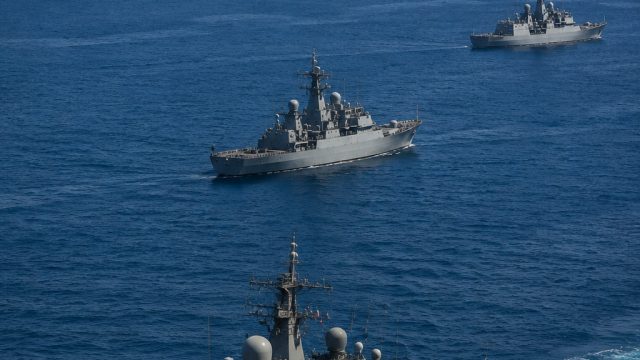
The Strait of Hormuz, a vital maritime corridor for global oil transport, is witnessing a surge in commercial traffic. This uptick comes at a time when the United States and Iran are navigating a complex web of diplomatic negotiations and disputes, particularly concerning nuclear monitoring agreements. The current situation underlines the economic and strategic importance of this waterway, making it essential for stakeholders to stay informed.
The Current State of Traffic in the Strait
Recent reports indicate a notable increase in maritime traffic passing through the Strait of Hormuz. This waterway is crucial for transporting nearly a fifth of the world's oil supply, and its significance has been amplified due to heightened tensions between two of the region's key players — the U.S. and Iran. As conflicting narratives about nuclear monitoring emerge, shipping lines are reassessing their operational strategies.
Commercial Implications
With the rise in traffic, various commercial entities are now more engaged in the Strait of Hormuz than ever before. The implications for shipping companies, oil traders, and global markets are profound:
- Increased Freight Costs: More ships navigating the strait can lead to congested passages, driving up shipping rates.
- Market Volatility: Fluctuations in oil prices are expected as traders react to both geopolitical tensions and market demands.
- Strategic Shipping Routes: Companies may need to consider alternative routes, impacting delivery timelines.
Understanding the Geopolitical Context
As the U.S. and Iran engage in a precarious dialogue regarding nuclear capabilities, the situation in the Strait of Hormuz is more than just a logistical challenge; it's a geopolitical chess game. Both nations have differing accounts regarding Iran's willingness to allow nuclear monitors, causing uncertainty among international observers.
The Role of International Oversight
The ongoing discussions about nuclear monitoring are crucial for maintaining peace and stability in the region. Various international bodies are closely monitoring the situation:
- Potential for Diplomacy: There is hope that diplomatic negotiations will lead to a more stable environment for maritime operations.
- Impact on Sanctions: The outcome of these negotiations could influence existing sanctions against Iran, further affecting trade in the region.
- Global Energy Security: As tensions rise, so does the concern for energy security, influencing global oil markets.
Future Outlook for Maritime Trade
Looking ahead, the situation in the Strait of Hormuz will likely remain volatile as the U.S. and Iran navigate their fraught relationship. Analysts predict that:
- Increased Monitoring: As traffic rises, so will the need for effective monitoring solutions to ensure safety in the strait.
- Heightened Security Measures: Shipping companies may implement stricter security protocols to safeguard their vessels against potential threats.
- Continued Market Responses: Expect ongoing fluctuations in oil prices based on developments in diplomatic relations and maritime traffic.
Conclusion: The Importance of Staying Informed
As maritime traffic through the Strait of Hormuz continues to increase amidst complex U.S.-Iran relations, the implications for global trade cannot be overstated. Stakeholders in the shipping and energy sectors must remain vigilant and informed about developments in this crucial region to navigate the challenges that arise. Understanding the geopolitics at play is essential for making strategic decisions in a rapidly changing landscape.