
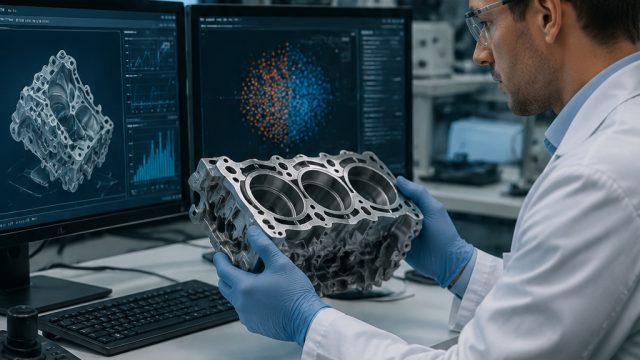
The landscape of materials science is on the brink of a significant transformation, particularly when it comes to the discovery of new alloys. Recent advancements in active learning methodologies are accelerating research in this vital area, allowing scientists and engineers to unlock previously unimaginable possibilities in metal properties and applications.
Understanding Active Learning in Alloy Development
Active learning represents a paradigm shift in how researchers approach the discovery of new materials. Traditionally, alloy development has relied heavily on trial and error, leading to resource-intensive processes. With active learning, algorithms analyze existing data to predict the properties of new combinations of elements. This innovative approach not only speeds up discovery but also enhances the likelihood of successful outcomes.
The Basics of Active Learning
- Data-Driven Decision Making: Algorithms utilize historical data to make informed predictions about potential alloys.
- Iterative Learning: The model continually updates its knowledge base, improving accuracy over time.
- Resource Efficiency: By focusing on the most promising avenues, researchers can save time and costs.
Impacts on Industries and Applications
As industries move towards more sustainable and efficient operations, the demand for advanced materials is surging. The discoveries made possible through active learning in alloy research have far-reaching implications across several sectors:
Aerospace and Automotive
In the aerospace and automotive industries, the weight-to-strength ratio is critical. New alloys with improved properties can lead to lighter, more fuel-efficient vehicles and aircraft. With active learning, manufacturers can rapidly test and implement these alloys, staying ahead of competitors.
Energy Sector
The energy sector benefits from innovative alloys capable of withstanding extreme conditions, such as high temperatures and corrosive environments. Active learning can expedite the identification of such materials, facilitating advancements in renewable energy technologies.
Future Directions in Alloy Research
Looking ahead, the integration of machine learning with alloy development is expected to further enhance the efficiency of research. Researchers foresee a future where predictive capabilities enable the design of alloys tailored for specific applications, revolutionizing manufacturing processes.
The Role of Collaboration
Collaboration between academia and industry will play a pivotal role in this evolution. By pooling resources and expertise, stakeholders can leverage active learning methodologies to tackle challenges associated with alloy development more effectively. This collaborative effort will be vital in pushing the boundaries of what’s possible in materials science.
The Importance of Continued Investment
As the need for advanced materials grows, continued investment in alloy research is imperative. Supporting innovative research initiatives not only drives economic growth but also fosters technological advancements that could significantly benefit society. The implications for sustainability, efficiency, and performance in various industries underscore the importance of this investment.
Conclusion: Embracing Change
Active learning is set to redefine the future of alloy research, making it more efficient and effective. As organizations embrace this change, the potential for groundbreaking discoveries increases exponentially. The challenge lies in sustaining this momentum and ensuring that the advancements in alloy research translate into real-world applications that enhance our everyday lives. The time is now for industries to recognize the significance of these developments and invest in the future of materials science.