
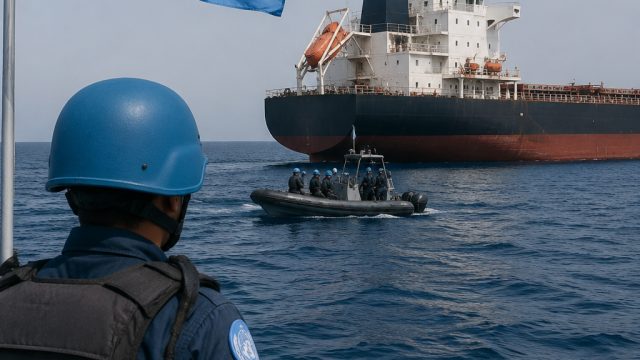
In a critical development that has drawn international attention, the United Nations has announced plans to evacuate approximately 11,000 sailors stranded in the strategic Strait of Hormuz. The situation, which has escalated amid rising geopolitical tensions, underscores the urgent need for maritime safety and stability in this vital shipping corridor.
The Situation in the Strait of Hormuz
The Strait of Hormuz, a narrow waterway connecting the Persian Gulf with the Arabian Sea, is one of the world's most critical maritime routes. A significant percentage of global oil shipments transit through this area, making it a focal point in international trade. Recent events, including military confrontations and diplomatic tensions between the US and Iran, have heightened concerns about the safety of sailors operating in these waters.
Current Crisis: Background and Implications
The UN's intervention comes in the wake of increasing hostility and threats to maritime operations in the region. These tensions have resulted in numerous vessels being stranded, unable to navigate due to threats of tolls imposed by regional powers and the precarious political climate. The evacuation initiative aims to provide immediate assistance to those in distress.
Evacuation Plans and What They Entail
Officials from the UN's maritime organization have outlined a multi-phase evacuation plan, which includes:
- Deployment of rescue ships to assist stranded sailors.
- Coordination with various maritime agencies to ensure safe passage.
- Establishing safe zones for evacuated personnel.
This action plan reflects the UN's commitment to ensuring the safety of international maritime operations and protecting the lives of those affected by the crisis.
Why This Matters Now
The urgency of the situation cannot be overstated. As geopolitical tensions continue to simmer, the Strait of Hormuz remains a flashpoint that could jeopardize not just maritime safety but also global energy supplies. The evacuation is a timely reminder of the vulnerabilities faced by sailors in conflict-prone regions.
Reactions from Global Stakeholders
International reactions have been varied. Some leaders have praised the UN for its decisive action, while others have expressed concerns about the implications for maritime law and regional stability. Senator Marco Rubio has warned against the imposition of unnecessary tolls on vessels transiting through the Strait, emphasizing the need for a coordinated global response to maintain freedom of navigation.
Impact on the Maritime Industry
The implications of this evacuation plan extend beyond humanitarian concerns; they also affect the maritime industry at large. Key points include:
- Potential for increased insurance costs for shipping companies operating in the region.
- Disruption of shipping schedules as vessels are rerouted or delayed.
- Heightened security protocols that companies may need to implement.
The intersection of humanitarian needs and business interests illustrates the complex landscape of modern maritime operations.
Conclusion: The Road Ahead
The UN's decision to evacuate stranded sailors highlights a critical moment in the ongoing saga of maritime safety in the Strait of Hormuz. As this situation develops, it will be essential for international communities to remain informed and engaged, ensuring the protection of those who work tirelessly to keep global trade flowing. Monitoring the evolving political landscape will be vital for stakeholders across various sectors in the coming weeks.
The world watches closely as the UN takes these unprecedented steps, reflecting broader concerns about safety and stability in one of the most vital maritime corridors worldwide.