
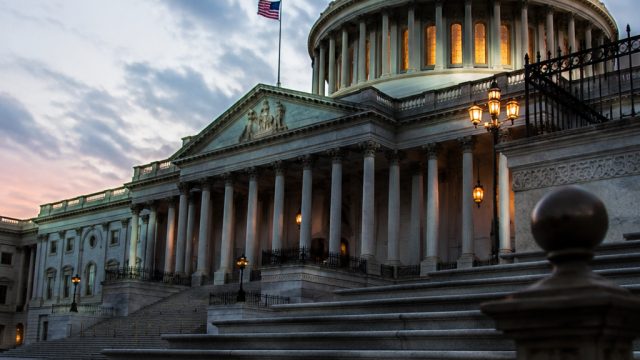
In a significant move reflecting the current geopolitical climate, the United States Senate has voted to pass a resolution that aims to limit the executive branch's military powers concerning Iran. This landmark decision not only represents a rare rebuke to the Trump administration but also raises crucial questions about the balance of power in American foreign policy.
Understanding the Resolution
The resolution, which garnered bipartisan support, seeks to curtail any military actions against Iran unless explicitly authorized by Congress. Proponents of the measure argue that reasserting legislative control over war powers is essential to prevent unauthorized military engagement, particularly in volatile regions where tensions run high.
The Current Tensions with Iran
The backdrop of this resolution is the ongoing conflict with Iran, which has escalated in recent years. Incidents such as drone strikes, cyber attacks, and the killing of Iranian General Qasem Soleimani have heightened the need for clarity regarding military action. With these events in mind, the Senate's decision serves as a reminder of the need for checks and balances.
The Implications of the Senate's Decision
This resolution is more than just a legislative move; it signifies a shift in how the U.S. approaches military engagement abroad. By requiring Congressional approval for military actions against Iran, the Senate aims to foster a more accountable and transparent foreign policy.
Potential Outcomes
- Increased Congressional Oversight: Lawmakers will have a greater role in decisions regarding military force.
- Strain on U.S.-Iran Relations: This move may further escalate tensions between the two nations.
- Impact on Future Administrations: Subsequent administrations may find this precedent influential in their foreign policy decisions.
Political Reactions
The resolution has sparked diverse reactions from political leaders. Supporters argue that it restores vital checks on presidential power, while critics claim it hampers the ability to act swiftly in times of crisis. The debate reflects larger themes in American politics, including the role of Congress in foreign policy and the implications of executive power during conflicts.
Public Opinion
Public sentiment regarding military involvement in Iran appears increasingly cautious. Many citizens express a desire for Congress to play a more significant role in decisions that could lead to military conflict. Polls suggest that a majority favor diplomatic solutions over military intervention, emphasizing the need for a strategic approach to foreign policy.
Looking Ahead: The Future of U.S. Foreign Policy
As the geopolitical landscape continues to shift, the resolution represents a critical juncture for U.S. foreign policy. It challenges the notion of unilateral military action and promotes a more collaborative approach to international relations. The Senate's decision could pave the way for future legislative efforts aimed at refining the boundaries of executive military authority.
Conclusion
The Senate's passing of the war powers resolution marks a pivotal moment in American political history. By reaffirming Congressional authority over military actions, this move highlights the necessity of accountability in governance, especially in matters of war and peace. As tensions with Iran persist, the implications of this resolution will undoubtedly shape U.S. foreign policy for years to come. Stay updated with us for further insights and analyses on this evolving situation.