
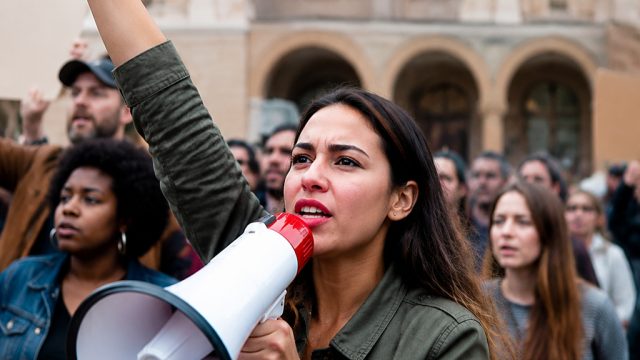
The recent sentencing of several individuals in Texas, associated with a protest against Immigration and Customs Enforcement (ICE), has ignited a heated discussion across the nation regarding the boundaries of civil disobedience and the legal repercussions for those who engage in such actions. As society grapples with the dynamics of protest and governance, this case stands as a pivotal moment that reflects broader concerns about democracy, free speech, and the right to assemble.
Context of the Sentencing
The individuals involved in the protests were accused of taking part in what many are calling an 'assault on democracy.' Their actions, which included an ambush on an ICE detention center, led to severe legal consequences. Sentences reportedly range up to 100 years, which has raised eyebrows among civil rights advocates and legal experts alike.
Understanding the Charges
- Charges included terrorism and conspiracy, emphasizing the seriousness with which the state views these acts.
- The protest was part of a larger movement against immigration policies, reflecting deep societal rifts.
- The sentencing has been perceived by many as an attempt to suppress dissenting voices.
Public Reaction and Implications
The reaction from the public and political spheres has been mixed. Many see the lengthy sentences as a necessary deterrent against violent protests, while others argue it sets a dangerous precedent for freedom of expression.
Voices from Supporters and Detractors
Supporters of the sentences argue that:
- Such measures are essential for maintaining public order.
- Violence has no place in protest, and accountability is key.
On the other hand, detractors warn that:
- The sentences could discourage future protests, particularly those addressing critical issues like immigration.
- This crackdown could lead to a chilling effect where citizens fear participating in protests.
The Broader Impact on Democracy
This case highlights an ongoing national conversation about the right to protest and its implications for democracy. As protests around the country have become more frequent and intensified, the legal system’s response to these movements has come under scrutiny.
What This Means for Future Protests
As we move forward, this case serves as a cautionary tale for activists and participants in future protests. Key considerations include:
- The necessity to remain within legal boundaries to avoid severe penalties.
- The importance of peaceful protests in conveying messages without resorting to violence.
- Engaging in dialogue with authorities to promote mutual understanding.
Conclusion: Finding a Balance
The Texas sentencing case will likely serve as a touchstone for future discussions on civil rights and the balance between public safety and the right to protest. As society evolves, so too must our understanding of how to engage in civic action while respecting the rule of law. While the right to protest is fundamental, navigating the complexities of activism in today's climate requires careful consideration of the potential consequences. The ongoing debates surrounding this case will undoubtedly shape the landscape of protest and democracy in the years to come.