
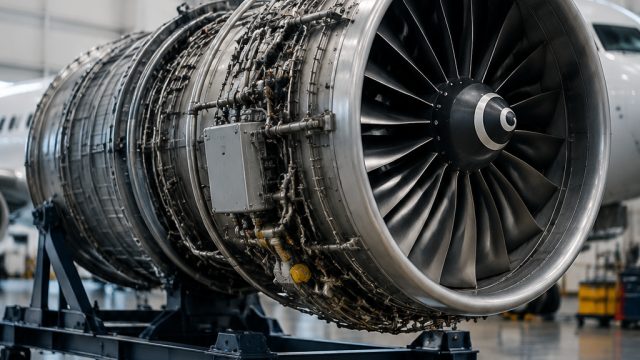
The LEAP-1A Engine: A New Standard in Aviation Performance
The aviation industry is experiencing a paradigm shift, primarily driven by technological advancements aimed at enhancing efficiency and sustainability. Among the notable innovations is the LEAP-1A engine developed by Safran S.A., which is gaining attention for its revolutionary performance metrics, particularly in fuel burn, noise reduction, and maintenance efficiency.
Fuel Efficiency: A Game Changer for Airlines
In an era where operational costs are under constant scrutiny, the LEAP-1A engine emerges as a frontrunner in fuel efficiency. This engine not only meets but often exceeds the expectations set by aviation authorities and airlines alike.
Key Fuel Efficiency Features
- Advanced Materials: The engine utilizes composite fan blades and 3D-printed fuel nozzles, which significantly reduce weight and enhance combustion efficiency.
- Innovative Aerodynamics: The design of the LEAP-1A includes improvements in airflow management, allowing for more efficient thrust generation.
- Optimized Engine Cycle: The engine’s high bypass ratio contributes to lower fuel consumption and less overall emissions, aligning with global sustainability goals.
Noise Reduction: Meeting Environmental Standards
Noise pollution is a growing concern for communities surrounding airports, and the LEAP-1A engine addresses this issue head-on. Its design incorporates advanced noise-reduction technologies that significantly lower the sound levels produced during takeoff and landing.
Noise Mitigation Strategies
- Chevrons on the Nozzle: The engine's nozzle features serrated edges that help to disrupt turbulent airflow, which reduces noise.
- Engine Mounting Techniques: The LEAP-1A’s mounting system further isolates the engine from the aircraft structure, minimizing vibration and sound transmission.
Maintenance Innovations: Reducing Downtime
The LEAP-1A also stands out in terms of maintenance efficiency, a critical factor for airlines aiming to minimize downtime and operational costs. Safran has introduced several innovative solutions to streamline maintenance processes.
Maintenance Efficiency Highlights
- Modular Design: The engine’s modular construction allows for quicker access to components, reducing the time needed for repairs and inspections.
- Predictive Maintenance Technologies: Utilizing data analytics and IoT technologies, airlines can predict maintenance needs before they become issues, ensuring continuous operation.
The Future of Aviation with LEAP-1A
With its impressive capabilities, the LEAP-1A engine is poised to redefine the benchmarks for performance in aviation. As airlines increasingly prioritize sustainability and cost-efficiency, engines like the LEAP-1A will play a pivotal role in shaping the future of air travel.
Now, more than ever, the aviation sector must adapt to changing regulations and public expectations regarding environmental impact. The LEAP-1A not only meets these challenges but does so in a way that enhances the overall travel experience for passengers.
Conclusion: Why This Matters Now
The advancements represented by the LEAP-1A engine are not just technical achievements; they reflect a broader shift in the aviation industry towards more sustainable practices. As we navigate through the complexities of global travel and environmental responsibility, innovations like those found in the LEAP-1A engine will be crucial in achieving a balance between growth and sustainability. The aviation community, as well as travelers, stand to benefit immensely from these developments, making the LEAP-1A a vital focus for the future.