
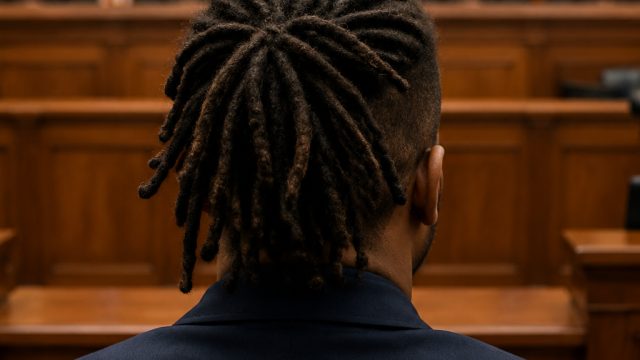
The recent decision by the Supreme Court has far-reaching implications for the rights of Rastafarian inmates, particularly concerning their religious freedoms and personal grooming. This ruling, which bars a Rastafarian man from suing prison officials for cutting his dreadlocks, has sparked debates on religious expression and the treatment of inmates within the prison system.
Background of the Case
The case revolves around a Louisiana inmate who claimed that prison guards violated his religious beliefs by forcing him to cut his dreadlocks, a significant aspect of his Rastafarian identity. According to Rastafarian faith, dreadlocks are a symbol of spirituality and commitment to their beliefs. This court ruling raises critical questions about the balance between prison authority and inmates' rights to practice their religion freely.
Understanding the Ruling
In a unanimous decision, the Supreme Court concluded that the inmate could not sue the guards for damages, highlighting the legal doctrine that protects prison officials from lawsuits stemming from their official duties. This decision underscores the challenges faced by incarcerated individuals in asserting their rights, particularly in cases that intersect with personal and religious identity.
Implications for Religious Freedom in Prisons
This ruling is significant not only for Rastafarian inmates but also for all prisoners seeking to express their religious beliefs. The decision poses a broader question: how do correctional facilities balance security and the rights of inmates? As prisons continue to evolve, the treatment of diverse religious practices must be addressed more thoughtfully.
Broader Context of Inmate Rights
The implications of this ruling extend beyond the individual case. It sets a precedent that could affect how future claims related to religious expression are handled within the prison system. Additionally, it highlights the need for clearer guidelines regarding the rights of inmates to practice their beliefs while ensuring the safety and order of correctional facilities.
The Role of Advocacy Groups
Various advocacy groups are reacting to the ruling with concern. Organizations focused on civil rights are voicing their disappointment and are calling for legislative changes to protect the rights of inmates. They argue that the legal system should allow for more robust protections for individuals expressing their religious beliefs, regardless of their incarcerated status.
Calls for Change
- Increased awareness of religious freedoms within the prison system.
- Legislative efforts aimed at enhancing protections for Rastafarian inmates.
- Advocacy for training prison staff on cultural and religious sensitivity.
- Encouragement of dialogue between correctional facilities and religious organizations.
Conclusion: A Legal Crossroad
The Supreme Court's ruling marks a critical junction in the ongoing discussion about inmates' rights and religious freedoms. While the decision protects prison officials from legal repercussions, it simultaneously raises essential questions about the treatment and rights of individuals who are often marginalized. As society reflects on this ruling, the hope is for a future where the rights of all individuals, regardless of their circumstances, are upheld with dignity and respect.