
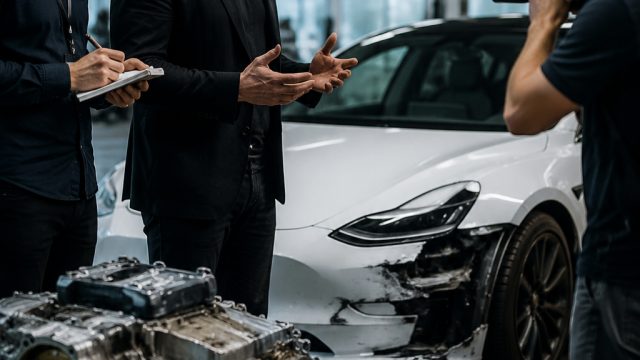
In a recent incident that has garnered significant media attention, Tesla is stepping up to address what it calls misleading and sensationalized reporting regarding accidents involving its vehicles. The controversy stems from a fatal accident in Katy, Texas, where a Tesla collided with a brick house, resulting in the tragic death of a woman inside. Tesla's response highlights the importance of accurate reporting in a world where misinformation can heavily influence public perception.
Understanding the Incident: What Really Happened in Katy?
On the surface, the accident appeared to paint a grim picture of Tesla's safety record. However, Tesla emphasizes that initial reports lack crucial details that could provide a clearer understanding of the circumstances. The driver of the vehicle reported that the car was not operating in autonomous mode at the time of the crash, countering narratives that suggest otherwise.
Key Points from Tesla's Defense
- The driver was in full control, debunking claims of autopilot failure.
- Investigations are still ongoing, and premature conclusions are harmful.
- Tesla reiterates its commitment to safety and transparency in vehicle performance.
The Role of Media in Shaping Public Perception
Media outlets often play a pivotal role in shaping how the public perceives complex issues, especially regarding technology and safety. In the case of electric vehicles, rapid reporting without substantial evidence can lead to widespread misinformation. Tesla's pushback against the media's narrative underscores the need for careful journalism, particularly in high-stakes situations where lives are at risk.
The Impact of Misinformation
When media outlets rush to report on such incidents, they can inadvertently contribute to:
- Increased fear among consumers regarding vehicle safety.
- Potential stock price fluctuations for the manufacturer.
- Legal challenges stemming from misrepresented facts.
Safety Features: What Sets Tesla Apart
Tesla vehicles are equipped with advanced safety features designed to protect passengers and prevent accidents. Understanding these features can enhance consumer confidence and shed light on the realities of vehicle safety.
Why Tesla Stands Out in Vehicle Safety
- Robust Engineering: Tesla cars undergo rigorous testing and are built with high-strength materials.
- Advanced Autopilot System: This feature aims to reduce human error, although drivers are always required to remain attentive.
- Real-Time Data Collection: Tesla continuously collects data from its fleet to improve safety protocols and vehicle performance.
A Call for Responsibility in Reporting
The current situation serves as a reminder of the responsibility that comes with journalism. Tesla’s response highlights the implications of reporting without a thorough investigation. As the investigation into the Katy incident continues, it is essential for the media to prioritize truth and accuracy over sensationalism.
Potential Changes in Reporting Standards
The incident may prompt discussions around:
- Establishing stricter guidelines for how accidents are reported.
- Encouraging media outlets to provide context before publishing.
- Highlighting the importance of awaiting full investigations before drawing conclusions.
Conclusion: The Need for Accurate Information
As Tesla navigates the fallout from this unfortunate accident, it is clear that accurate reporting and responsible journalism are crucial. Media narratives can significantly impact public perception, corporate reputation, and even consumer trust. Tesla's proactive approach in addressing misinformation reiterates its commitment to transparency and safety—an effort that is particularly vital in the rapidly evolving landscape of automotive technology. Moving forward, both companies and consumers alike must advocate for responsible reporting standards that reflect the complexities of modern vehicle safety.