
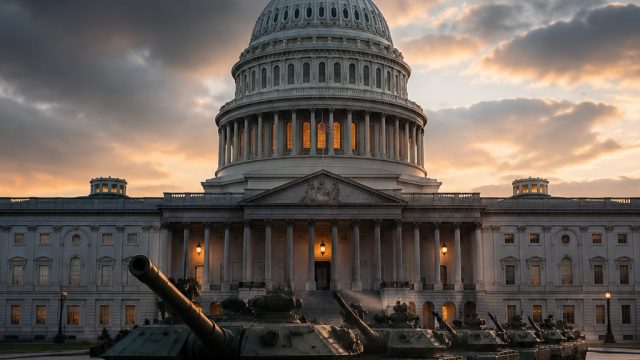
In a historic move, Congress has enacted a measure aimed at curbing the war powers of the President, particularly regarding military actions related to Iran. This decision marks a significant shift in how military engagement is approached and underscores the importance of legislative oversight in matters of national security.
The Context Behind the Legislative Action
The passage of this war powers resolution comes in the wake of ongoing tensions between the United States and Iran, particularly during the Trump administration. As military actions escalated, many lawmakers expressed concern about the lack of congressional approval for military engagements. This resolution serves as a formal reminder of the checks and balances that are foundational to U.S. governance.
Why This Legislative Measure Matters Now
With the backdrop of the ongoing conflict and potential future military actions, the timing of this resolution is crucial. Lawmakers assert that unchecked presidential power can lead to prolonged conflicts without proper oversight. This measure aims to prioritize diplomacy over military action, fostering a more thoughtful approach to foreign policy.
Key Provisions of the War Powers Resolution
The recently passed resolution includes several important provisions that detail the limits of presidential military authority. Here are some of the key aspects:
- Mandatory Notification: The President must inform Congress within 48 hours of military action.
- Withdrawal of Forces: Congress retains the right to demand the withdrawal of U.S. forces within 30 days if military action is not authorized.
- Focus on Diplomacy: Emphasizes the need for diplomatic efforts before military intervention is considered.
- Oversight Mechanism: Establishes a clearer framework for congressional oversight on military decisions.
The Bipartisan Support Behind the Measure
This resolution saw support from both sides of the aisle, highlighting a rare moment of unity in a politically polarized environment. Lawmakers from various parties recognize the need for a collective approach to military decisions, thus ensuring that the voices of the American people are represented in matters of war and peace.
Implications for Future Military Engagements
The recent actions taken by Congress could have longstanding implications for how military engagements are handled in the future. As the geopolitical landscape continues to shift, this measure serves as a crucial reminder of the importance of accountability in government actions. Here’s what to expect moving forward:
- Increased Scrutiny: Future military actions will likely face heightened scrutiny and debate within Congress.
- Focus on Alliances: Emphasis on building diplomatic relationships rather than resorting to military force.
- Public Engagement: Expect increased involvement from the public in discussions about military actions.
Conclusion: A Step Toward Responsible Governance
As Congress navigates the complexities of military power and national security, the recent passage of the war powers resolution marks a pivotal moment in American politics. It reinforces the importance of legislative oversight and encourages a more collaborative approach to military decisions. As public interest in transparency and accountability grows, this measure may act as a foundation for a more responsible and balanced foreign policy framework.
In summary, this legislative action is not just about limiting presidential power; it also reflects a broader commitment to ensuring that the U.S. engages thoughtfully and responsibly on the global stage. As the situation with Iran continues to evolve, Congress will play a crucial role in shaping the future of American military and diplomatic strategies.