
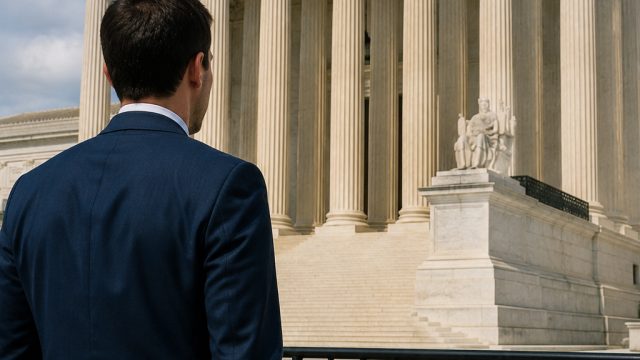
In a pivotal ruling, the Supreme Court has sparked conversations surrounding the balance between institutional authority and individual religious freedoms. The decision, which states that prison guards cannot be sued for cutting a Rastafarian inmate's dreadlocks, poses significant implications for the interpretation of religious rights in institutional settings. This ruling, emerging from a case involving a former inmate, sheds light on the ongoing debate about the extent to which personal beliefs can be safeguarded in the face of authority.
A Landmark Case
The case in question revolves around a Rastafarian man who, during his incarceration, had his dreadlocks forcibly cut by prison officers. The legal arguments presented highlighted the intersection of personal identity and religious expression within the prison system. Advocates for the inmate argued that such actions were a violation of his First Amendment rights, which protect free exercise of religion.
Background of the Ruling
While the Supreme Court has historically taken strides to bolster religious liberties, this decision presents a glaring contradiction. The Court concluded that the prison guards acted within their rights, thereby limiting the scope of individual claims against state actors in similar contexts. This ruling prompts a closer examination of the legal frameworks surrounding religious rights, particularly in correctional institutions.
Implications for Religious Freedom
The ruling raises critical questions about the future of religious expression in prisons. With the Supreme Court limiting the ability to hold prison guards accountable under certain conditions, the balance of power leans heavily towards institutional control. This development is particularly alarming for advocates of religious freedoms, who argue that it undermines the personal liberties guaranteed by the Constitution.
Institutional Authority vs. Personal Belief
As the discussion unfolds, it is crucial to consider how institutional policies can conflict with individual rights. Some of the key implications include:
- Restrictive Policies: Prisons may feel empowered to implement stricter grooming standards that could disproportionately affect particular religious groups.
- Legal Precedents: The ruling establishes a precedent that may hinder future claims of religious discrimination in other institutional settings.
- Advocacy Responses: Civil rights groups are likely to intensify their advocacy efforts to ensure that religious expressions are respected and protected within the prison system.
The Broader Context of Religious Liberties
This decision does not exist in a vacuum. It reflects broader societal tensions regarding religious freedoms and governmental authority. Recent trends indicate a growing divide over how these rights are interpreted and enforced. For many, this ruling symbolizes a step back in the fight for comprehensive religious liberties, prompting discussions about what protections remain for individuals facing institutional constraints.
Future Legal Challenges
Legal experts predict that this ruling could lead to a wave of challenges related to religious rights in various scenarios, particularly in environments where individual identity is intertwined with institutional regulations. Future cases may address:
- Discrimination in workplace settings against religious attire or grooming standards.
- Challenges to educational institutions regarding dress codes that conflict with religious beliefs.
- Broader scrutiny of institutional policies that may inadvertently infringe upon religious freedoms.
Conclusion: A Call for Vigilance
The Supreme Court's recent ruling exemplifies the complexities surrounding the protection of religious rights within institutional frameworks. As society navigates these legal waters, it is imperative for advocates, lawmakers, and citizens to remain vigilant. The balance between institutional authority and personal freedoms must be carefully monitored to ensure that no individual's rights are trampled in the name of governance. Moving forward, it is essential to foster dialogue and legal scrutiny surrounding the fundamental question of how we protect religious expression in our increasingly complex society.