
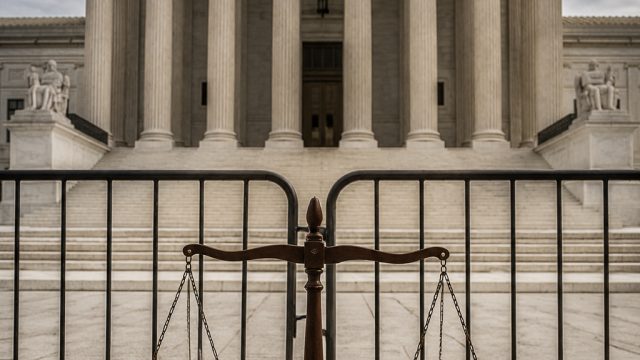
The United States Supreme Court has recently made a significant decision regarding the rights of inmates, particularly concerning their religious freedoms. In a ruling that has drawn considerable attention, the court determined that a former Rastafarian inmate could not pursue legal action against prison guards who forcibly cut his dreadlocks. This decision raises important questions about the balance between security protocols in correctional facilities and the preservation of individual religious identities.
The Case Overview
This case revolved around an incident where correctional officers shaved the dreadlocks of a Rastafarian man, a practice that is considered sacred in his religion. The inmate, who argued that this act violated his First Amendment rights, was left without recourse as the Supreme Court's ruling concluded that state officials have significant discretion in managing prison environments.
Background of the Incident
- Inmate's Claim: The man claimed his religious beliefs were severely compromised by the actions taken against him.
- Prison’s Defense: The correctional facility maintained that the shaving was necessary for security reasons.
- Legal Proceedings: The case progressed through lower courts before reaching the Supreme Court.
Implications of the Ruling
The Supreme Court's decision has sparked discussions about the extent of religious freedoms allowed within prison systems. Legal experts and advocates for inmate rights are now evaluating how this ruling may influence future cases regarding religious practices behind bars.
Challenges for Inmates
The ruling highlights several key challenges faced by incarcerated individuals trying to maintain their religious practices:
- Security vs. Freedom: Balancing security measures with respect for individual rights remains a contentious issue.
- Lack of Recourse: Many inmates may feel powerless in protecting their religious freedoms under the current legal landscape.
- Potential for Future Cases: This ruling may set a precedent that could impact similar lawsuits across the country.
Public Reaction and Future Outlook
The response to this ruling has been mixed, with many advocates expressing concern over the implications for religious minorities within the prison system. Critics argue that the decision undermines the spirit of religious liberty that is a cornerstone of American democracy.
Advocacy Responses
Organizations focused on civil rights are already mobilizing to address the fallout from this ruling. Key actions include:
- Awareness Campaigns: Increased efforts to educate the public about the rights of inmates and the importance of religious expression.
- Legal Support Initiatives: Providing resources and support for inmates wishing to challenge similar actions in the future.
Conclusion
The Supreme Court's ruling serves as a stark reminder of the complexities surrounding religious freedoms, particularly in prison environments. As discussions continue and reactions unfold, it remains crucial for both legal experts and advocates to monitor how this decision affects the rights of inmates nationwide. The ongoing conversation about the balance of security and religious liberty will undoubtedly play a significant role in shaping future legal precedents.