
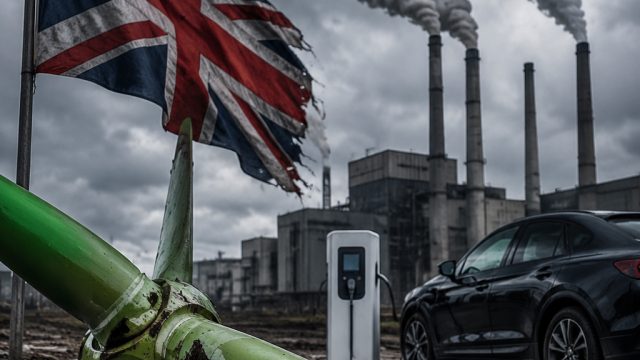
In recent discussions surrounding climate policy, fears have arisen regarding the potential weakening of the UK’s net zero commitments. As the chair of the Climate Change Committee (CCC), Nigel Topping has voiced a serious warning: a retreat from these commitments could not only hinder the fight against climate change but also destabilize the UK economy. With investor confidence wavering amid policy uncertainties, understanding the implications of such a shift has never been more critical.
Investor Confidence at Risk
Topping emphasizes that U-turns in climate policy can significantly undermine trust among investors. For a country like the UK, where capital flows into green technology and sustainable projects are essential for economic growth, maintaining a steadfast approach to net zero commitments is vital. Investors are increasingly prioritizing sustainability and environmental governance in their funding decisions.
The Cost of Uncertainty
- Increased Risk Perception: Investors may view policy shifts as indicators of instability, leading to a reluctance to invest.
- Reduced Long-term Investments: Uncertainty can deter long-term commitments needed for sustainable development.
- Global Competitiveness: Other nations may attract investments with stronger, more consistent environmental policies.
Economic Disruption and Business Stability
As businesses adapt to increasingly stringent environmental regulations, any weakening of the net zero framework could have ripple effects across various sectors. The UK economy relies on a stable regulatory environment to foster innovation and growth. Disruptions in this area can lead to significant economic consequences, especially for industries heavily invested in sustainable practices.
Key Industries Affected
- Renewable Energy: Companies in solar, wind, and other renewable sectors may face setbacks.
- Green Technology: Startups and established firms focused on sustainable tech may struggle to secure funding.
- Manufacturing: Industries adapting to greener practices could find it harder to justify investments.
Implications of Weakening Net Zero Goals
Weakening the UK’s net zero goals could lead to a host of negative outcomes, exacerbating existing challenges related to climate change while compromising economic stability. Topping's concerns highlight the importance of a cohesive and ambitious climate strategy that aligns with business interests and investor expectations.
Potential Consequences
- Delayed Climate Action: Reduction in commitment could stall progress toward important climate objectives.
- Job Losses: A weakened net zero policy could jeopardize jobs in the green sector.
- Increased Carbon Emissions: Moving away from net zero targets could lead to a rise in emissions, counteracting climate efforts.
Path Forward: Strengthening Commitments
To foster both economic growth and environmental sustainability, it is critical for the UK to reinforce its net zero commitments. Policymakers must prioritize transparent and stable regulations that provide clarity for investors and businesses alike. By aligning economic objectives with climate goals, the UK can position itself as a leader in sustainable innovation.
Strategies for Success
- Enhancing Public-Private Partnerships: Collaborating with businesses can drive innovative solutions.
- Investment in Green Infrastructure: Committing resources to sustainable projects is essential.
- Promoting Education and Awareness: Educating stakeholders about the benefits of sustainability can build support.
Conclusion
The warning from Nigel Topping serves as a critical reminder of the intertwined nature of climate policy and economic stability. As the UK navigates its path forward, maintaining robust net zero commitments is essential not only for the environment but also for cultivating a resilient economy that can thrive in an uncertain global landscape. Ensuring investor confidence and business stability depends on a clear and unwavering commitment to sustainability.