
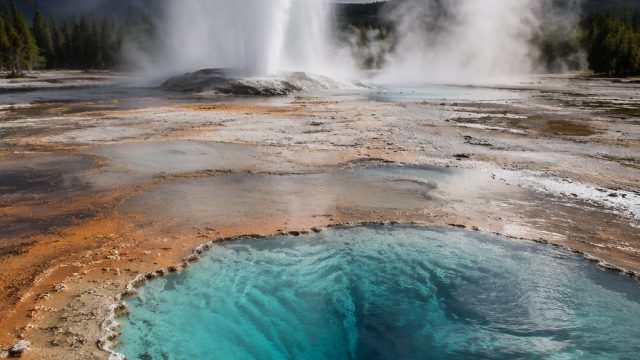
Yellowstone National Park is once again in the spotlight following a recent hydrothermal explosion at its Biscuit Basin. This natural phenomenon not only draws attention from park visitors but also ignites discussions among scientists and geologists about the implications of such events. Understanding these eruptions and their frequency is crucial, especially as they can indicate changes in the geothermal dynamics of this iconic location.
What Happened at Biscuit Basin?
On [insert date], a hydrothermal explosion at Biscuit Basin created a substantial 20-foot crater filled with boiling water, which surprised both park rangers and visitors alike. This latest event is particularly notable as it follows a similar explosion earlier in June, suggesting that the geothermal activity in this area is intensifying. According to data from the United States Geological Survey (USGS), such explosions, while rare, are part of the natural geothermal processes that shape Yellowstone.
Understanding Hydrothermal Explosions
Hydrothermal explosions occur when the pressure from heated water beneath the Earth's surface exceeds the surrounding rock's strength, resulting in a sudden release of energy. These eruptions can create craters and new geothermal features, contributing to the park's dynamic landscape.
- Pressure buildup: Over time, steam and gas accumulate.
- Temperature increase: Water temperatures can reach boiling point at depth.
- Explosive release: When pressure is released, steam eruptions can occur.
Why This Matters Now
The recent uptick in hydrothermal activity at Yellowstone raises questions about the park's geothermal stability. Each eruption serves as a reminder of the underlying volcanic activity that defines much of Yellowstone's geological history. Increased activity may also influence visitor safety and park management strategies. As tourists flock to the area to witness the wonders of nature, awareness regarding these geothermal hazards becomes paramount.
Implications for Visitors
For those planning to visit Yellowstone, understanding the risks associated with hydrothermal features is essential:
- Stay on designated paths: Avoid venturing into areas that may be unstable.
- Know the signs: Look for warning signs indicating hazardous conditions.
- Stay informed: Keep updated with the latest information from the USGS.
The Science Behind It
Research into Yellowstone's geothermal systems is ongoing, as scientists strive to comprehend the complexities of hydrothermal explosions. The USGS plays a crucial role in monitoring these events, providing valuable data that helps predict future activity and ensures the safety of park visitors.
Recent Research Developments
Insights from various studies indicate that while hydrothermal explosions are sporadic, understanding their patterns and triggers can significantly improve safety measures. Researchers focus on:
- Geological mapping of the basin.
- Thermal imaging to detect changes in heat patterns.
- Monitoring gas emissions to assess pressure levels.
Conclusion
The recent hydrothermal explosion at Yellowstone's Biscuit Basin serves as a vivid illustration of the park's dynamic geothermal landscape. As scientists continue to study these phenomena, we encourage visitors to stay informed about safety measures and respect the power of nature. Yellowstone remains a fascinating destination, but with this fascination comes the responsibility to understand its unpredictable natural processes. Stay tuned for more updates as we follow the ever-evolving story of one of America's most beloved natural wonders.