
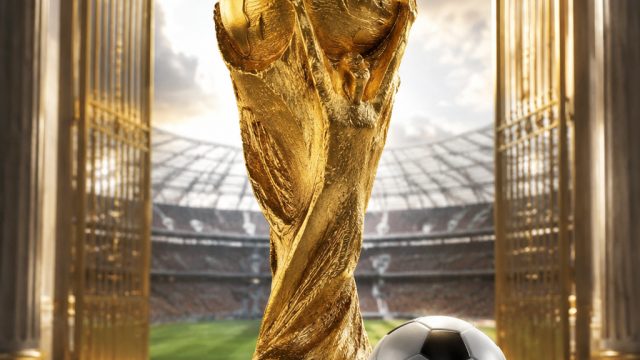
The 2026 FIFA World Cup promises to be a groundbreaking tournament with its expanded format and innovative regulations. As excitement builds around the event, it’s vital for fans and participants to understand the new third-place standings and tiebreakers that will come into play. This year, the tournament will include 48 nations, a significant increase from the previous editions, which significantly alters the structure and dynamics of the competition.
Overview of the Expanded Tournament Format
The 2026 World Cup introduces a transformative approach by increasing the number of participating teams from 32 to 48. This new format divides teams into twelve groups of four, leading to a more complex but engaging competition. Each group will see the teams battling it out to claim their spot in the knockout stages, with the top two teams from each group advancing, along with the eight best third-place teams.
Why the Change Matters Now
This change is significant in many ways:
- Increased Global Representation: More teams mean a wider representation of global talent and emerging footballing nations, making matches more exciting.
- Competitive Edge: Every match will count more than ever. The stakes will be high as teams strategize to earn points and secure their positions.
- Fan Engagement: The expanded format will likely generate more interest and viewership, providing an enhanced experience for fans.
Decoding the Third-Place Standings
The previous editions of the World Cup had straightforward knockout rounds, but the addition of third-place standings introduces a new layer of complexity. Here’s how it will work:
- Every team in the group plays three matches.
- The rankings are based on points earned (3 points for a win, 1 point for a draw, and 0 for a loss).
- In case of a tie in points, the following tiebreakers will be considered:
- Goal Difference: This is calculated based on the goals scored minus the goals conceded.
- Goals Scored: The total number of goals scored will be a key factor.
- Head-to-Head Results: The performance between tied teams will also be taken into account.
- Fair Play Points: These points are calculated based on yellow and red cards received.
Strategic Implications for Teams
Teams will need to be strategic in their approach to the group stages. Understanding the tiebreaker rules will be crucial for coaches and players as they prepare their game plans. Here are some strategic considerations:
Offensive vs. Defensive Play
Given the emphasis on goal difference, teams may adopt a more offensive strategy to maximize their scoring opportunities. However, they must also be cautious to avoid conceding goals that could negatively impact their standings.
Managing Player Fitness
With the potential for one or more high-stakes matches, managing player fatigue will be vital. Coaches need to balance the need for wins with the importance of player health.
Adapting to Opponents
The highly competitive nature of the tournament means teams must adapt their strategies based on their opponents. Analyzing the style of play and strengths of rival teams will be key to gaining an advantage.
Conclusion: Preparing for a New Era in Soccer
The 2026 FIFA World Cup is set to revolutionize the way we view international soccer competitions. With an expanded format and unique third-place standings, fans can expect a thrilling month of matches filled with drama and excitement. Understanding the intricacies of the new rules will be essential for players, coaches, and fans alike as they prepare for what promises to be an unforgettable tournament. So, as we look ahead, it’s time to gear up and get ready for this historic event!