
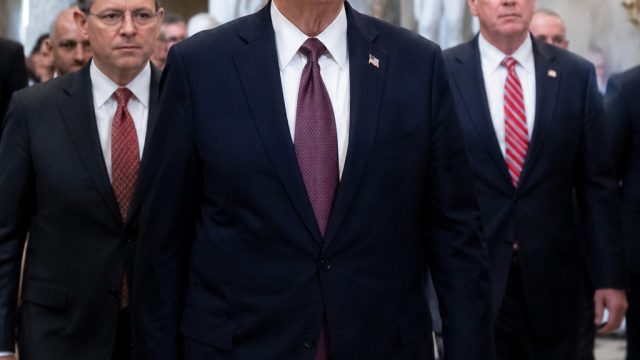
In a significant political event, former President Donald Trump is set to visit the Capitol tomorrow, where he will engage with senators regarding pressing legislative matters. This visit comes at a crucial time, as the Republican Party navigates considerable internal disagreements, particularly surrounding the SAVE America Act. Senate Majority Leader John Thune has indicated a preference for prioritizing defense legislation over other issues, highlighting the current dynamics within the GOP.
The Context of Trump's Visit
Trump's appearance at the Capitol signals not only his ongoing influence within the Republican Party but also the urgent need for unity as the GOP faces pivotal decisions ahead. With critical military funding and defense strategies at stake, the timing of this meeting cannot be overstated. The discussions are expected to revolve around the national defense budget, a topic that has garnered bipartisan support, contrasting sharply with the contentious SAVE Act, which has faced scrutiny from various factions within the party.
GOP Leadership Stance
Senate Majority Leader John Thune has publicly emphasized the importance of advancing a robust defense bill, suggesting that the current political climate necessitates a shift in focus. “While the SAVE America Act has its merits, our immediate concern should be the security of our nation,” Thune remarked in a recent press conference. This statement underlines a growing consensus among some GOP leaders that defense funding should take precedence, especially in light of recent global tensions.
- Increased emphasis on military readiness
- Need for cohesive strategy in defense funding
- Potential bipartisan support for defense initiatives
Divisions Within the GOP
Despite Thune's stance, there remains a faction within the GOP, led by figures like Senator Rick Scott, who champion the SAVE America Act. Scott has invited Trump to the Senate Steering Committee lunch, indicating efforts to rally support around this initiative. As such, the party is at a crossroads, where differing priorities could potentially lead to fractures if not managed carefully.
The Role of Trump
Trump's visit is poised to serve multiple purposes. Not only does it provide an opportunity for him to assert his influence, but it also allows him to mediate discussions among senators who may be at odds regarding legislative priorities. His presence could either help unify the party around a common goal or exacerbate existing divisions, depending on how conversations unfold.
Why This Matters Now
The decisions made during this meeting will have lasting implications. With the 2024 elections on the horizon, the GOP must demonstrate a clear and coherent strategy to both its base and the general electorate. As defense legislation advances, understanding the complexities within the party, including the debate surrounding the SAVE Act, is essential for stakeholders and constituents alike.
Implications for Future Legislation
As the GOP leadership grapples with these legislative discussions, a few key factors should be considered:
- National Security: The ability to present a united front on defense issues will be crucial for the party’s credibility.
- Electoral Strategy: Aligning on defense priorities could enhance the GOP's appeal in upcoming elections.
- Party Cohesion: Navigating internal disagreements effectively will be vital for maintaining party unity.
Conclusion
As Trump prepares to engage with Senate members, the Republican Party stands at a pivotal moment. The focus on defense priorities, as articulated by leaders like John Thune, highlights the necessity for cohesion in messaging and legislative action. Whether the GOP can successfully balance its internal divisions while addressing national security needs will be a defining factor as the party moves forward into a critical electoral cycle.