
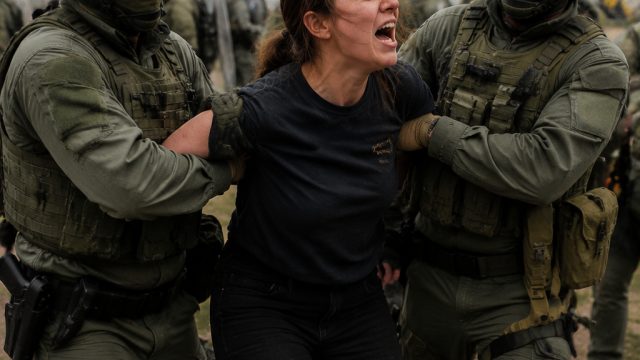
In a landmark decision that has sent ripples through both immigration advocacy groups and law enforcement, eight individuals convicted of participating in a violent protest at an Immigration and Customs Enforcement (ICE) facility in Texas have been sentenced to decades in prison. This ruling underscores the growing tensions surrounding immigration enforcement in the United States and the legal boundaries of civil disobedience.
Background of the Incident
The incident occurred at the ICE facility in Alvarado, Texas, where protesters gathered to voice their opposition to immigration policies. The demonstration escalated into a violent confrontation, leading to multiple injuries and considerable property damage. According to law enforcement officials, the protestors employed makeshift weapons and even firearms during the altercation, resulting in charges of terrorism being leveled against them.
Details of Sentencing
On Monday, the court announced severe sentences for the convicted individuals, with some facing up to 100 years in prison. The severity of the sentences reflects the court's view of the protest as not merely an expression of dissent but as a coordinated attack on federal law enforcement. Legal experts have noted that these sentences may set a precedent for how similar cases are handled in the future.
Implications for Civil Disobedience
This case raises crucial questions about the limits of civil disobedience in the context of immigration protests. Many advocates argue that the sentences are excessively harsh and could deter individuals from participating in lawful protests. Conversely, opponents argue that violent actions cannot be condoned, regardless of their motivation.
The Broader Impact on Immigration Policy
As the U.S. grapples with immigration issues, the consequences of this sentencing may resonate beyond the courtroom. Protests against ICE and its operations have intensified in recent years, especially during periods of heightened immigration enforcement. This case could lead to increased scrutiny of protest tactics and the legal ramifications surrounding them.
Public Reaction
- Advocacy groups argue that the sentences may chill free speech.
- Law enforcement praises the sentencing as a necessary measure to uphold the law.
- Community responses are mixed, with some supporting the harsh penalties and others condemning them as unjust.
Looking Ahead
As the legal battles continue, observers are keenly watching for potential appeals and the broader implications of this case. The sentences handed down in Texas may not only impact the individuals involved but could also reshape the landscape of immigration protests across the country. With public opinion divided, the conversation about immigration policy and protest tactics is likely to persist.
Conclusion
The sentencing of the eight protesters in Texas represents a critical moment in the ongoing dialogue about immigration enforcement and the nature of protest in America. As the nation continues to navigate complex and often contentious immigration issues, the legal outcomes of these protests will play a pivotal role in shaping the future of civil rights and public demonstrations.