
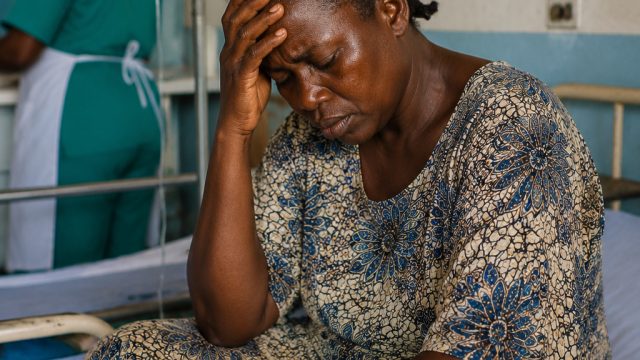
As the world grapples with various health crises, one issue that has been receiving increasing attention is the prevalence of obstetric fistulas among women, particularly in regions with limited access to quality maternal healthcare. This condition can lead to severe physical and psychological consequences for affected women, highlighting the urgent need for comprehensive healthcare solutions.
Understanding Obstetric Fistulas
Obstetric fistulas are a devastating consequence of prolonged or obstructed labor, often occurring in under-resourced healthcare settings where skilled assistance is unavailable during childbirth. When the pressure from the baby's head against the mother’s pelvis is prolonged, it can lead to the formation of a hole between the birth canal and the bladder or rectum, resulting in severe complications.
Causes and Risk Factors
- Prolonged Labor: The primary cause of obstetric fistulas is obstructed labor, which can occur without timely medical intervention.
- Lack of Healthcare Access: Women in rural areas or impoverished regions often lack access to skilled healthcare providers, increasing their risk.
- Early Marriage and Childbearing: Cultural practices that promote early marriage can lead to childbirth before a woman's body is fully developed.
The Consequences of Obstetric Fistulas
Women who suffer from obstetric fistulas endure not only physical pain but also significant emotional and social consequences. The condition can lead to chronic health issues, isolation from community life, and complications in future pregnancies.
Physical Health Risks
Women with an obstetric fistula may face:
- Infection: The constant leakage of urine or feces can lead to severe infections.
- Infertility: Damage to reproductive organs can result in the inability to conceive.
- Chronic Pain: Many women experience ongoing physical discomfort from the fistula.
Emotional and Social Impact
The emotional toll of obstetric fistulas can be profound. Women often experience:
- Shame and Stigma: Many are ostracized by their communities due to their condition.
- Depression and Anxiety: The loss of social status and the physical burden can lead to mental health issues.
- Isolation: Women may withdraw from social interactions, feeling like outcasts.
Urgent Need for Solutions
The issue of obstetric fistulas is not just a medical problem but a humanitarian crisis that requires immediate attention. As global health organizations, NGOs, and governments become increasingly aware of the situation, several strategies are being implemented to address this public health challenge.
Improving Access to Quality Maternal Healthcare
- Training Healthcare Workers: Educating and training midwives and healthcare providers in rural areas can significantly reduce complications during childbirth.
- Increasing Healthcare Facilities: Establishing more healthcare facilities in underserved regions is essential for providing timely assistance to women in labor.
Raising Awareness and Advocacy
Public awareness campaigns are vital to eliminating the stigma surrounding obstetric fistulas. Advocacy groups are working tirelessly to:
- Educate Communities: Informing communities about maternal health rights and the importance of seeking medical help during pregnancy.
- Promote Gender Equality: Advocating for legislation that protects women's health rights can help break the cycle of early marriage and childbirth.
Conclusion
Obstetric fistulas are a critical women’s health issue that requires urgent attention. By improving access to quality maternal healthcare and raising awareness, we can reduce the incidence of this debilitating condition. It is vital for governments, NGOs, and communities to collaborate and take action now to ensure that every woman has the opportunity to experience a safe childbirth without the fear of devastating complications.