
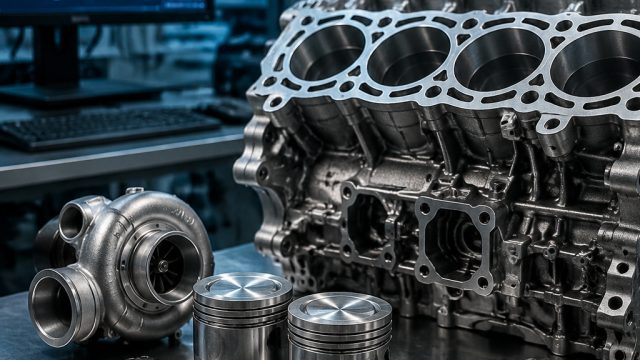
The Automotive Industry's Shift Towards Efficiency
The automotive sector is undergoing a significant transformation, driven by the need for greater efficiency and sustainability. As vehicle manufacturers and consumers become more concerned about fuel economy and emissions, the innovation of engine components has taken center stage. This article delves into the cutting-edge technologies reshaping engine performance and how they impact maintenance and service.
Advanced Engine Technologies
Recent advancements in materials science and engineering have paved the way for the development of lightweight engine components. These innovations not only reduce the overall weight of vehicles but also enhance fuel efficiency. Components such as aluminum and composite materials are becoming more prevalent in the manufacturing of engines, ensuring that vehicles run smoother for longer periods.
Hybrid and Electric Vehicle Components
The rise of hybrid and electric vehicles has significantly altered the landscape of engine components. Traditional combustion engines are being replaced or complemented by electric motors and batteries. This transition requires a new set of parts that focus on energy efficiency and durability, ensuring that vehicles can perform well under various conditions. Understanding these components is essential for proper vehicle maintenance.
Impact on Service and Maintenance
As vehicles become more technologically advanced, the maintenance of these complex systems requires specialized knowledge and tools. Auto service providers must stay updated on the latest engine technologies to provide quality service to customers. Regular maintenance routines will also evolve, focusing on monitoring new components like battery life and electric motor efficiency.
Conclusion
The future of automotive engine components is bright, filled with promise for improved efficiency and sustainability. By staying informed about the latest innovations and trends, vehicle owners and service providers can ensure that they're prepared for the changes ahead. Embracing these advancements will not only enhance vehicle performance but also contribute to a greener future.