
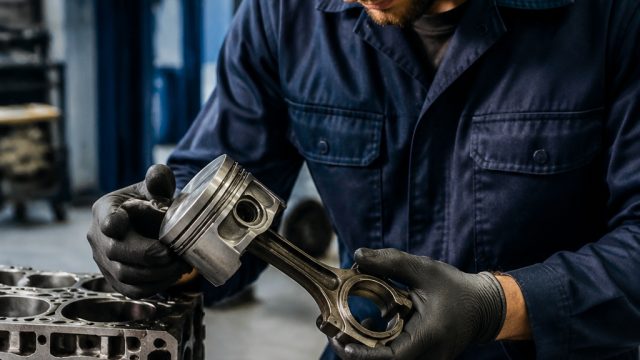
Essential Maintenance Tips for Your Automotive Engine Parts
The engine is often considered the heart of your vehicle, and maintaining it is crucial for optimal performance and longevity. Regular maintenance of engine parts not only enhances efficiency but also saves you money in the long run. Here are some essential maintenance tips to keep your automotive engine parts in top shape.
1. Regular Oil Changes
One of the simplest yet most effective maintenance tasks is regular oil changes. Engine oil lubricates moving parts, reduces friction, and helps maintain optimal operating temperatures. Depending on your vehicle's specifications, oil changes should be done every 5,000 to 7,500 miles. Use high-quality oil that meets manufacturer specifications to ensure your engine runs smoothly.
2. Check the Cooling System
The cooling system is vital for preventing engine overheating. Regularly inspect the coolant level and quality, looking for leaks or contamination. Flushing the cooling system and replacing the coolant as recommended can prevent costly repairs and prolong the life of your engine.
3. Inspect Air Filters
Air filters play a crucial role in maintaining engine performance by ensuring clean air enters the combustion chamber. Dirty or clogged air filters can reduce fuel efficiency and engine power. Check and replace air filters every 12,000 to 15,000 miles or as needed, especially if you drive in dusty or polluted areas.
4. Monitor Spark Plugs
Spark plugs ignite the air-fuel mixture in the engine, making them essential for smooth operation. Worn or fouled spark plugs can cause misfires, decreased fuel efficiency, and increased emissions. Inspect spark plugs during routine maintenance and replace them every 30,000 miles or as recommended by your vehicle's manufacturer.
5. Keep an Eye on Belts and Hoses
Belts and hoses are critical to your engine's operation, from powering the alternator to circulating coolant. Regularly inspect these components for signs of wear, such as cracks, fraying, or swelling. Replacing worn belts and hoses can prevent more extensive engine damage and costly repairs.
6. Regular Diagnostics
Utilizing diagnostic tools to monitor engine performance can reveal potential issues before they escalate. Many modern vehicles come equipped with onboard diagnostics (OBD) systems that provide error codes to help identify problems. Regularly checking these codes can aid in maintaining engine efficiency.
Conclusion
Maintaining automotive engine parts is essential for keeping your vehicle running smoothly and efficiently. Implementing these maintenance tips can help you avoid costly repairs and ensure that your engine performs at its best for years to come. Regular service and attention to your engine's needs will enhance its lifespan and reliability.