
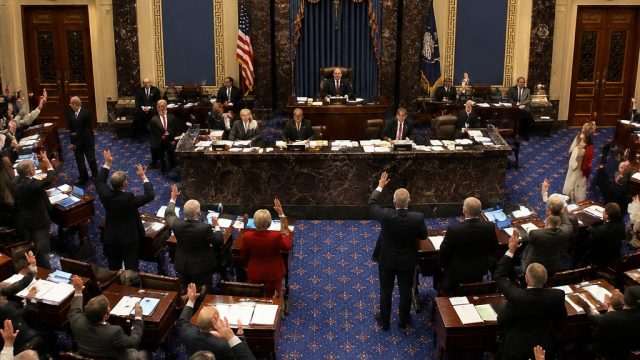
In a significant development, the Senate has approved a war powers resolution with historical implications for the relationship between Congress and the executive branch regarding military action. This vote marks a pivotal moment in U.S. politics, particularly concerning President Trump's actions in the Middle East and the ongoing tensions with Iran.
Understanding the War Powers Resolution
The war powers resolution, initially enacted in 1973, was designed to limit the president's ability to engage U.S. forces in hostilities without congressional approval. The recent Senate decision reflects a growing concern among lawmakers about unchecked military actions and the need for a more balanced approach to national security.
Why This Matters Now
- Congressional Oversight: The resolution emphasizes the importance of Congress having a say in military engagements, thereby safeguarding democratic principles.
- Escalating Tensions with Iran: With President Trump's assertion that Iran had agreed to indefinite nuclear inspections, the resolution acts as a counterbalance against potential unilateral military actions.
- Public Sentiment: Growing public discontent over prolonged military engagements has influenced lawmakers to reconsider their stance on war powers.
The Context of the Vote
The Senate's vote comes amid ongoing disputes over the U.S. military's involvement in the Middle East. While President Trump has claimed success in diplomatic negotiations with Iran, many lawmakers remain skeptical. The administration’s assurances seem to contradict recent reports, leading to confusion and concern about the actual state of U.S.-Iran relations.
Implications for U.S. Foreign Policy
This resolution could reshape how future administrations approach military conflicts. It sets a precedent that emphasizes accountability and collaboration between branches of government. As global political dynamics evolve, the need for a robust foreign policy that enjoys bipartisan support becomes increasingly crucial.
Looking Ahead: The Future of War Powers and U.S. Strategy
As the U.S. navigates a complex international landscape, the Senate's decision may signify a shift towards a more deliberative approach to military engagement. It raises essential questions about how future leaders will interpret their authority in matters of war and peace.
Key Takeaways
- The Senate's resolution marks a historical shift in U.S. military policy.
- Congress is reasserting its role in decisions related to military action.
- This decision reflects public and legislative concerns about unilateral military actions.
Conclusion: A Call for Vigilance
The recent passage of the war powers resolution by the Senate is not merely a legislative formality; it is a crucial reminder of the importance of checks and balances within the U.S. government. As tensions continue to mount globally, especially with nations like Iran, staying informed and engaged is vital for citizens and lawmakers alike. This resolution empowers Congress to take an active role in shaping American foreign policy, urging all stakeholders to be vigilant and proactive in the face of evolving international challenges.