
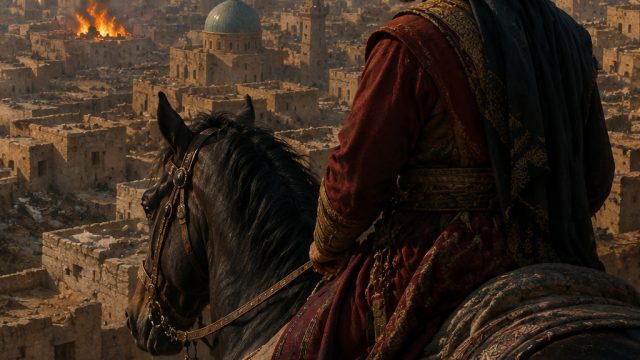
The eighteenth century was a period of profound upheaval in Iran, characterized by the dramatic collapse of the Safavid dynasty and the ensuing chaos that engulfed the nation. As Iran navigated through relentless civil unrest and foreign invasions, the repercussions of this turbulent era continue to resonate in its modern history.
The Fall of the Safavid Dynasty
In 1722, the Safavid dynasty, which had ruled Iran for over two centuries, faced a critical challenge when a coalition of Afghan forces invaded from Kandahar. This unexpected invasion marked the beginning of a dark chapter in Iranian history.
The Siege of Esfahan
The Afghans mounted a formidable siege on Esfahan, the capital of the Safavid empire. The resilience of the Safavid defenders was tested, but the scale of the Afghan assault proved overwhelming. This siege not only led to the capture of Esfahan but also signaled the end of a dynasty that had fostered a rich cultural and religious identity across the region.
The Aftermath: A Nation in Turmoil
With the fall of the Safavid dynasty, Iran plunged into disarray. For the next seventy years, the country became embroiled in a series of civil wars and foreign interventions, leading to widespread devastation and suffering among its populace.
Domestic Conflicts and Foreign Invasions
- The power vacuum left by the Safavids led to the emergence of various factions, each vying for control.
- Foreign powers, recognizing Iran’s instability, attempted to exploit the situation, exacerbating the conflicts.
- The economic and social fabric of Iranian society was severely impacted, with ordinary citizens bearing the brunt of the unrest.
The Ascendancy of the Qajar Dynasty
The Qajar dynasty emerged in the late eighteenth century, aiming to restore stability to a beleaguered nation. Their rise to power was marked by a commitment to reestablishing order and unity within Iran.
Reforms and Rebuilding
Under the Qajar rule, significant efforts were made to rebuild Iran's infrastructure and restore its economic standing. The dynasty sought to consolidate power and promote a sense of national identity that had been eroded during the preceding chaos.
The Legacy of Eighteenth Century Turmoil
The tumultuous events of the eighteenth century left an indelible mark on Iran. The struggles of this era highlight the complexities of Iranian identity and governance, paving the way for future developments in the nation’s political landscape.
Modern Implications
Understanding the historical context of Iran's past is crucial for grasping its present and future trajectories. The lessons learned from this era of conflict inform current discussions about governance, national unity, and foreign relations.
Conclusion
The eighteenth century was a defining period for Iran, marked by the collapse of the Safavid dynasty and the chaos that ensued. The resilience of the Iranian people in the face of adversity ultimately led to the establishment of the Qajar dynasty, which aimed to restore stability and unity. As we reflect on this tumultuous chapter, it is essential to recognize its lasting impact on modern Iranian society and its ongoing quest for identity and governance.