
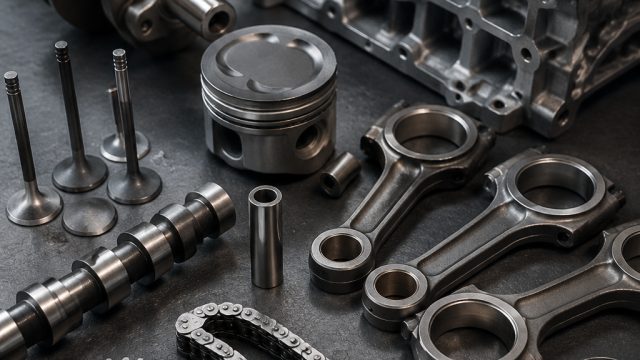
Explore the Latest Trends in Automotive Engine Components
As the automotive industry rapidly evolves, understanding the latest trends in engine components is crucial for enthusiasts and professionals alike. With the rise of electric vehicles, advancements in fuel efficiency, and innovations in engine technology, staying updated is essential. In this article, we'll delve into the most significant trends shaping the future of automotive engine components and why they matter now more than ever.
The Shift Towards Electrification
One of the most pressing trends in the automotive sector is the shift towards electrification. Many manufacturers are investing heavily in electric engines, which promise greater efficiency and reduced emissions. This shift is not merely a trend but a necessary response to global environmental concerns, making it vital for consumers and businesses to adapt.
Advantages of Electric Engines
- Improved Fuel Efficiency: Electric engines use energy more efficiently than traditional internal combustion engines.
- Lower Emissions: They produce zero tailpipe emissions, contributing to cleaner air.
- Reduced Maintenance Costs: Electric engines have fewer moving parts, leading to lower maintenance requirements.
Enhancements in Engine Technology
In addition to electrification, advancements in engine technology have seen developments that enhance performance and reliability. Turbocharging, variable valve timing, and direct fuel injection are just a few of the technologies being employed to maximize engine efficiency. These innovations not only improve power output but also contribute to fuel savings.
Key Technologies in Modern Engines
- Turbocharging: Increases engine power without significantly increasing weight.
- Variable Valve Timing: Improves engine efficiency and performance across different RPMs.
- Direct Injection: Ensures better fuel atomization, leading to more efficient combustion.
The Rise of Smart Engines and Connectivity
As technology integrates deeper into vehicles, the concept of smart engines is becoming a reality. These engines can communicate with the vehicle’s computer systems, allowing for real-time diagnostics and performance metrics. This level of connectivity not only enhances performance but also aids in predictive maintenance, ensuring that issues are addressed before they lead to failure.
The Benefits of Smart Technology
- Real-Time Data Monitoring: Drivers can see performance metrics and diagnostics instantly.
- Enhanced Safety: Predictive maintenance alerts can prevent accidents.
- Improved Fuel Management: Smart engines can optimize fuel usage based on driving conditions.
Conclusion: The Future is Now
The automotive industry is at a critical juncture, where the integration of innovative engine components and technologies is essential for future success. As the shift towards electrification continues and smart technologies become standard, both consumers and industry leaders must remain informed and adaptive. Staying ahead in this rapidly changing landscape will not only enhance vehicle performance but also align with broader environmental and economic goals.