
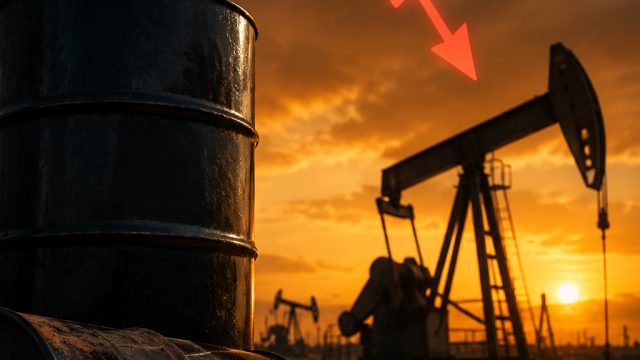
As the global energy landscape shifts, oil prices are experiencing a downturn, a situation further exacerbated by recent political actions in the United States. President Donald Trump has ramped up pressure on oil companies, urging them to reduce gasoline prices for consumers. This move comes at a crucial time when many are feeling the pinch at the pump, highlighting the intersection of politics and energy prices.
The Current State of Oil Prices
Crude oil prices, which are pivotal to the cost of gasoline, have seen a marked decline recently. Following the latest data reports, prices are not just declining, but they are also indicative of broader market trends affected by geopolitical factors, supply chain issues, and environmental policies. With the prices of West Texas Intermediate (WTI) oil dropping, consumers are beginning to see a slight relief, yet the lasting impacts of higher rates linger.
Why This Matters Now
The timing of Trump's remarks couldn’t be more critical. With ongoing discussions around energy independence and domestic production, companies are under scrutiny for their pricing strategies. The President’s accusations of 'gouging' add an extra layer of urgency, calling for a reevaluation of how oil companies set prices, especially during times of high demand.
Market Reactions
- Oil Company Shares: Many companies are grappling with stock price fluctuations as investors react to potential regulatory changes.
- Consumer Sentiment: Public opinion is shifting, with growing frustration directed at rising gas prices despite falling crude rates.
- Geopolitical Concerns: The situation in the Strait of Hormuz and OPEC’s production decisions continue to influence price stability.
The Role of U.S. Policies
U.S. policies on energy production are at the forefront of this discussion. Trump's government is advocating for increased domestic drilling and production as a means to stabilize prices. However, environmental regulations and a push for renewable energy sources create a complex landscape where balance is key. Understanding how these policies impact oil companies' operations and pricing structures is essential for consumers and investors alike.
Potential Outcomes
The future of oil pricing could be influenced by several factors:
- Legislative Changes: Potential new regulations could reshape how prices are set and perceived.
- Consumer Behavior: As prices fluctuate, consumer choices may shift towards alternative energy sources.
- Market Speculation: Traders and analysts will keep a close eye on geopolitical tensions affecting oil supply and demand.
Conclusion: Navigating the Energy Landscape
As oil prices continue to decline, the attention on U.S. oil companies highlights a significant moment in the energy market. The interplay between politics and oil pricing is critical for consumers, investors, and businesses alike. Staying informed about these dynamics is essential as the market adjusts to current events and consumer needs evolve.
For those wanting to delve deeper into the implications of these trends, ongoing updates and analyses will be available on lansiq.com, ensuring you stay ahead in understanding the intricacies of the energy market.