
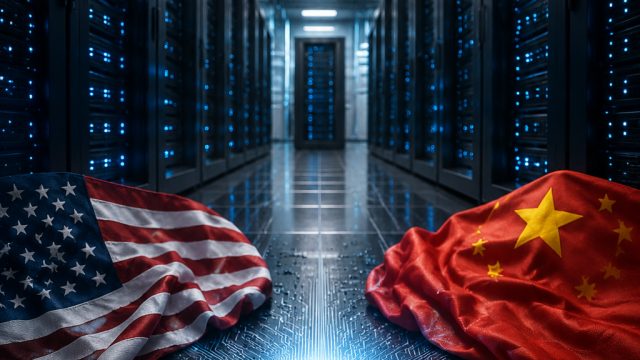
In a significant turn of events, China has dethroned the United States in the race for supercomputing supremacy, marking the first time since 2017 that the US has lost its number one position. This shift highlights not only advancements in technology but also raises fundamental questions about the future of global innovation and competition.
The Rise of China’s Supercomputing Capabilities
China's latest supercomputer, named LineShine, has achieved remarkable performance benchmarks, leading the prestigious TOP500 list of the world's fastest supercomputers. This leap forward in computational capability is crucial as industries increasingly rely on advanced data processing to drive innovation.
What Makes LineShine Stand Out?
- Processing Power: LineShine boasts unprecedented speed and efficiency, allowing for rapid calculations and simulations across various fields.
- Energy Efficiency: The new architecture minimizes energy consumption, making it not only powerful but also environmentally friendly.
- Advanced AI Capabilities: The integration of artificial intelligence enhances its ability to tackle complex problems, making it a game-changer in research and development.
Implications for Global Technology Leadership
This development is particularly relevant in today's context, where technological superiority equates to economic power and influence. The implications of China's advancements in supercomputing extend beyond mere statistics; they carry the potential for reshaping the competitive landscape in technology.
Potential Impacts on Innovation
With China's LineShine leading the pack, several key areas could witness accelerated innovations:
- Healthcare: Improved data processing capabilities can enhance drug discovery and personalized medicine.
- Climate Research: More robust simulations can lead to better climate models and solutions for environmental challenges.
- Artificial Intelligence: Enhanced supercomputing resources may lead to breakthroughs in AI research and applications.
The Future of Supercomputing and Its Global Effects
This historic transition leads to questions about the future dynamics of supercomputing. As countries vie for technological dominance, collaboration and competition will coexist in new and complex ways, influencing international relations and trade.
Strategies for the US to Reclaim Its Standing
In response to this shift, the US must evaluate its strategies in supercomputing and broader technology sectors. Key strategies may include:
- Investment in Research: Increasing funding for supercomputing and technology R&D can spur innovation.
- Public-Private Partnerships: Enhancing collaboration between government and industry could accelerate advancements in technology.
- Education and Workforce Development: Focusing on STEM education will ensure a skilled workforce ready to tackle future challenges.
Conclusion: Embracing Change in a New Era
The rise of China's supercomputing capabilities signifies a pivotal moment in technology and global leadership. As challenges evolve, the need for innovation and adaptation becomes paramount. This shift, while bringing competition, also presents opportunities for collaboration and growth within the tech industry, urging all players to continuously adapt and strive for excellence.