
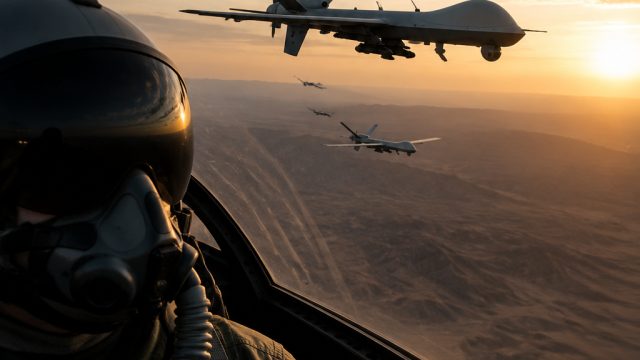
In a startling revelation, a downed US pilot has shared his experiences of encountering Iranian drones, which he described as moving in a distinctive 'jellyfish' formation. This incident, which has sparked discussions within defense and military circles, sheds light on the evolving dynamics of aerial warfare and the strategic challenges faced by military personnel today.
The Encounter: What Happened?
The pilot, whose identity remains undisclosed for security reasons, reported observing a swarm of Iranian drones during a reconnaissance mission. The drones, according to his account, demonstrated advanced maneuverability reminiscent of jellyfish gliding through water. This unique formation not only enhanced their operational effectiveness but also posed significant challenges for detection and engagement by conventional military aircraft.
Understanding the Formation
The jellyfish formation utilized by the drones allows them to cover a larger area while minimizing the risk of interception. Moreover, this tactic complicates tracking efforts, as it can confuse radar systems and create opportunities for the drones to execute strikes or gather intelligence undetected. The significance of this formation cannot be understated in today’s increasingly drone-centric warfare landscape.
Strategic Implications for Military Operations
The implications of this eye-opening encounter extend beyond just the immediate tactical situation. Military analysts are now forced to reconsider existing strategies regarding drone engagements, particularly in regions where Iranian influence is prevalent.
Potential Threats
- Increased Hostilities: The use of drones in this manner suggests a preparation for heightened military confrontations.
- Enhanced Surveillance: The ability of drones to gather real-time intelligence may shift the balance in regional conflicts.
- Countermeasures Required: Current defense systems may need reevaluation to effectively counter sophisticated drone tactics.
The Broader Context: Drone Warfare Evolution
Drone technology has rapidly advanced in recent years, with various nations exploring innovative applications in warfare. This incident serves as a crucial reminder of the potential vulnerabilities that nations face in the aerial domain, particularly against non-state actors and adversarial nations.
Global Perspectives on Drone Usage
As countries continue to develop drone capabilities, the global landscape of military engagement is evolving. Nations are investing in both offensive and defensive drone technologies, driven by the need to maintain strategic advantages.
"The future of warfare is increasingly characterized by the integration of drones into military strategies, and this encounter highlights the need for adaptive responses to emerging threats." - Defense Analyst
Conclusion: A Call for Vigilance and Adaptation
The US pilot's report of witnessing Iranian drones in a jellyfish formation serves as a wake-up call for military strategists and policymakers. As drone technology continues to advance, the potential consequences for national security are profound. It is imperative for nations to not only enhance their technological capabilities but also develop comprehensive strategies that are adaptable to the changing dynamics of warfare.
In an era where aerial encounters can redefine the balance of power, staying informed and prepared is essential. The lessons learned from this incident could shape future military operations and defense initiatives, emphasizing the importance of vigilance and innovation in the face of evolving threats.