
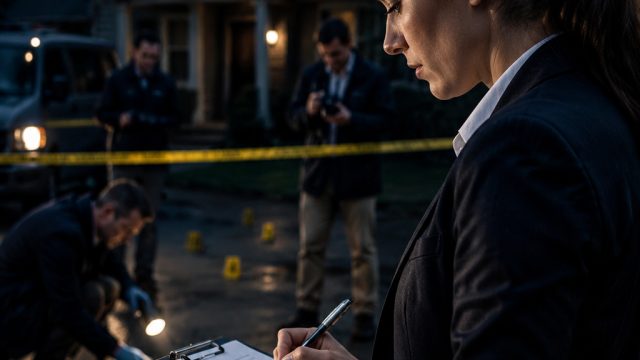
In recent legal proceedings, a significant turn of events has emerged in the murder case of a man accused of killing his ex-partner and allegedly disposing of her body in a river. New evidence introduced by the defendant's legal team suggests that the victim may have drowned, complicating the narrative surrounding the case and leading to broader discussions within the legal community about the implications of this finding.
Understanding the Context of the Case
The ongoing trial has captured widespread attention due to its tragic elements and the serious accusations against the defendant. The individual, whose identity remains undisclosed, faces charges related to the death of his ex-partner, a mother whose life was cut short under suspicious circumstances. The prosecution has been building a case that relies heavily on circumstantial evidence, presenting a narrative that paints the accused as the perpetrator.
What the New Evidence Suggests
Recently, the defense team has put forth compelling evidence indicating that the victim might have died from accidental drowning rather than foul play. This shift in focus raises critical questions about the validity of the charges against the accused and emphasizes the need for a thorough investigation into all possible scenarios surrounding the incident.
The Implications of Drowning Evidence
As legal experts analyze the ramifications of this new evidence, it becomes clear that the introduction of potential drowning evidence could significantly impact the defense strategy. Here are several key implications:
- Shifting Burden of Proof: The new findings may require the prosecution to reassess its strategy and provide more substantial evidence to prove the defendant's guilt beyond a reasonable doubt.
- Public Perception: The narrative surrounding the case is crucial. If the public perceives the evidence as credible, it could sway opinions and influence future judicial processes.
- Legal Precedent: This case may set a precedent for how drowning cases are approached in the court system, particularly those involving domestic disputes.
Expert Opinions on the Situation
Legal experts and commentators have been vocal about the significance of how this evidence could reshape the case. Renowned criminal defense attorney, Jane Doe, stated, "If drowning is a plausible explanation for the victim's death, we must explore all avenues before jumping to conclusions of murder. Every detail matters in securing justice."
Next Steps in the Legal Process
The court is set to reconvene to examine this new evidence, and all eyes will be on the proceedings as the defense and prosecution prepare their arguments. Here are some anticipated next steps:
- Further Investigations: There may be a push for further forensic analysis and expert testimony to validate the drowning claims.
- Witness Testimonies: The prosecution is expected to call witnesses who can provide insight into the relationship dynamics and events leading to the victim's tragic demise.
- Potential Jury Instructions: Depending on the developments, judges may need to provide specific instructions to jurors regarding how to interpret the new evidence in relation to the original charges.
Conclusion: A Case with Broader Implications
The introduction of new evidence in this high-profile murder case underscores the complexities of the legal process and the importance of thorough investigations. As the trial progresses, both the defense and prosecution will need to navigate a challenging landscape shaped by evolving narratives and public scrutiny. For those following the case, it serves as a poignant reminder of the critical nature of justice and the need for clarity in understanding the truth behind tragic events.
Stay tuned to Lansiq.com for ongoing updates as this case continues to unfold, highlighting the intricate relationship between evidence, law, and public discourse.