
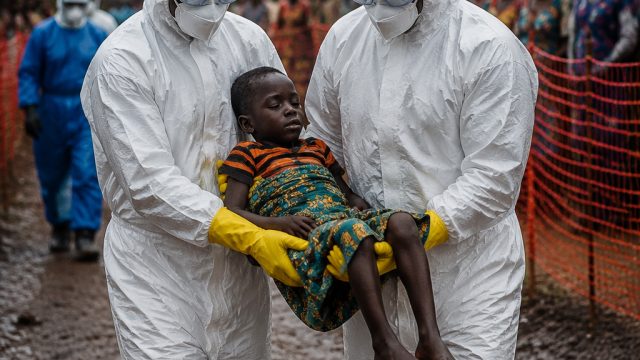
In a significant public health crisis, the Democratic Republic of the Congo (DRC) has reported over 1,000 Ebola cases, marking the highest first-month total for any outbreak. This alarming rise in infections poses an immediate threat, particularly to the nearly 3 million children and adolescents living in the affected regions. The implications of this outbreak are dire, highlighting the urgent need for coordinated efforts to protect vulnerable populations.
The Current State of the Ebola Outbreak
As health officials grapple with this escalating situation, the World Health Organization (WHO) has classified the DRC's Ebola outbreak as a critical health emergency. The Bundibugyo virus strain, responsible for many of the reported cases, continues to spread rapidly, necessitating immediate interventions.
Key Statistics and Trends
- Over 1,000 confirmed cases in the first month of the outbreak.
- Close to 3 million children and adolescents are at heightened risk.
- The region has seen a surge in healthcare challenges due to resource constraints.
Impact on Children and Adolescents
The health and safety of young individuals in eastern Congo are under severe threat due to the Ebola outbreak. UNICEF has raised the alarm about the potential long-term effects on this vulnerable demographic, emphasizing a comprehensive approach to health and safety.
Vulnerabilities of Youth
The risks associated with the outbreak extend beyond the immediate health concerns. Many children lack access to basic healthcare services, exacerbating the situation:
- Limited access to clean water and sanitation.
- Disruption in education as schools close to prevent virus spread.
- Increased malnutrition due to food scarcity.
International Response and Humanitarian Aid
The international community, led by organizations like WHO and UNICEF, has mobilized resources to address the crisis. Efforts are underway to implement health protocols, distribute vaccinations, and educate communities about prevention strategies.
Strategies to Combat the Outbreak
To effectively combat the outbreak, health authorities have proposed several strategies:
- Enhancing surveillance and testing capabilities.
- Increasing healthcare staffing and resources in affected areas.
- Community education on Ebola transmission and prevention.
- Addressing logistical challenges to ensure timely delivery of medical supplies.
The Urgent Need for Action
As we observe the alarming rise in Ebola cases, it is crucial for stakeholders to prioritize the safety of children and adolescents in eastern Congo. With immediate action, including public health campaigns and humanitarian assistance, the spread of this deadly virus can be contained, and health outcomes can be improved for the most affected populations.
In conclusion, the current Ebola outbreak presents unique challenges that demand swift and coordinated responses. As governments and organizations work to mitigate the risks, the focus must remain on protecting the most vulnerable—our children. The time for action is now; the lives of millions are at stake.