
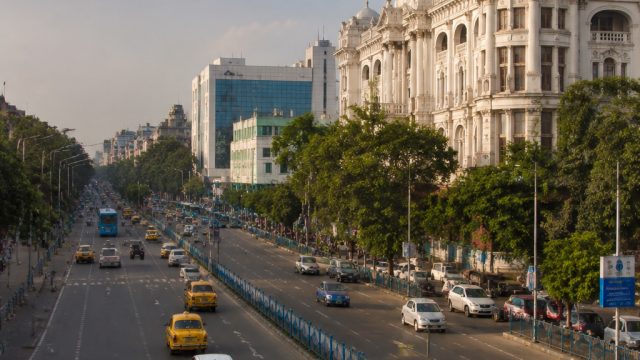
The West Bengal capital is embarking on a significant rebranding journey, as Chief Minister Suvendu Adhikari announced that no streets will bear names associated with Mughal or Pathan figures, nor oppressive British rulers. This bold move is poised to change the urban landscape of Kolkata, stirring discussions about history, identity, and public sentiment.
The Context of the Decision
The decision emerged amidst growing debates over how historical figures are commemorated in public spaces. As cities worldwide reassess their histories, Kolkata is now joining the ranks of others that are scrutinizing the legacy of its past. Critics have charged that renaming streets could distort history, while proponents argue that it’s a necessary step towards creating a more inclusive environment.
Understanding Historical Context
Kolkata, like many Indian cities, has streets named after individuals who played significant roles in the country's past. However, the legacy of Mughals and British authorities is often viewed through a lens of oppression and colonialism. The Chief Minister’s statement reflects a growing sentiment among certain political factions that aims to promote a narrative of self-determination and pride in local history.
Public Reception and Political Ramifications
The announcement has sparked mixed reactions among Kolkata’s residents and political observers. Some see it as a necessary move to break away from colonial legacies, while others fear it may erase important aspects of the city’s diverse history.
Voices from the Community
- Supporters: Many residents support the initiative, arguing it grants recognition to local heroes and figures who positively influenced the region.
- Opponents: Conversely, critics argue that this policy could lead to an oversimplification of history, dismissing the complexities of the past.
- Historians: Experts emphasize that while renaming streets can symbolize change, it must be approached with a thorough understanding of historical contexts.
Implications for Future Urban Naming Policies
The implications of this renaming initiative extend beyond just street names. It prompts a broader discussion about how historical narratives shape public identity and urban planning. As other cities observe Kolkata's bold stance, they may consider similar policies that reflect their residents' values and beliefs.
Factors Influencing Future Decisions
- Community Input: Engaging the public in discussions about historical figures can foster a sense of ownership and pride in local history.
- Political Influence: Political parties often leverage public sentiment in urban policy decisions, showcasing how history can be a battleground for contemporary politics.
- Historical Education: Greater emphasis on educating the public about historical figures may enrich the discourse around which names are deemed worthy of commemoration.
Conclusion: A New Chapter for Kolkata
As Kolkata ventures into this new chapter of urban identity, the decision to avoid naming streets after Mughals and British rulers is not just a local issue; it resonates with a broader global trend of reassessing historical narratives. This move highlights the importance of community involvement, historical context, and political considerations in shaping the future of urban landscapes. As debates continue, it remains to be seen how this policy will influence the city’s identity and its residents' sense of belonging.