
Understanding Automotive Engine Parts: A Comprehensive Guide
The engine is the heart of any vehicle, and understanding its components is essential for anyone interested in automotive mechanics. In this comprehensive guide, we will explore various automotive engine parts and their functions.
1. Engine Block
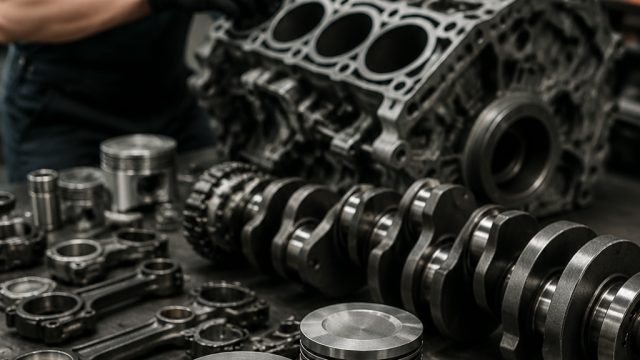
The engine block is the main structure of the engine, housing critical components such as cylinders, pistons, and crankshaft. It is typically made from cast iron or aluminum and is designed to withstand the high temperatures and pressures generated during combustion.
2. Pistons
Pistons are cylindrical components that move up and down within the engine cylinders. They convert the energy from fuel combustion into mechanical energy, which ultimately powers the vehicle. Pistons are typically made from aluminum alloys for durability and lightweight.
3. Crankshaft
The crankshaft is connected to the pistons and converts their linear motion into rotational motion, which drives the wheels of the vehicle. It plays a crucial role in the engine’s power output and efficiency.
4. Camshaft
The camshaft controls the opening and closing of the engine valves. It is synchronized with the crankshaft to ensure that the intake and exhaust valves operate at the correct times during the engine cycle.
5. Timing Belt/Chain
The timing belt or chain connects the crankshaft and camshaft, ensuring that they rotate in sync. A properly functioning timing belt is essential for engine performance, and it typically requires replacement at regular intervals to prevent catastrophic engine failure.
6. Cylinder Head
The cylinder head sits on top of the engine block and contains the intake and exhaust valves. It is responsible for directing airflow into the cylinders and allowing exhaust gases to exit. Cylinder heads can be made from aluminum or cast iron, depending on the engine design.
7. Fuel Injectors
Fuel injectors deliver the precise amount of fuel into the engine cylinders for combustion. They play a vital role in fuel efficiency and emissions control. Modern vehicles often utilize electronic fuel injectors for enhanced performance.
8. Exhaust System
The exhaust system channels exhaust gases away from the engine and towards the rear of the vehicle. It includes components such as the catalytic converter, which reduces harmful emissions, and the muffler, which minimizes noise.
Understanding these automotive engine parts is essential for anyone interested in vehicle maintenance or repair. Knowing how each component works together can help diagnose issues and enhance your vehicle's performance.