
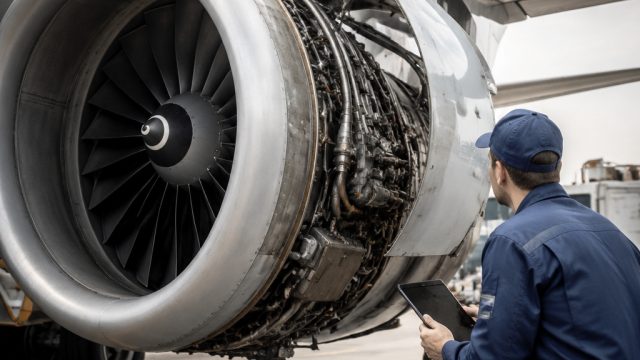
As the aviation sector continues to recover from the pandemic's impact, the International Air Transport Association (IATA) is setting the stage for a robust future by introducing strategic priorities to enhance the aviation supply chain. In a rapidly evolving landscape, these initiatives are critical for addressing both current challenges and future demands in air travel logistics.
Understanding IATA's Four Strategic Priorities
IATA has identified four key areas of focus aimed at strengthening the overall resilience and efficiency of the air transport supply chain. These priorities not only address existing operational bottlenecks but also prepare the industry to handle unexpected disruptions.
1. Enhancing Collaboration Across the Supply Chain
IATA emphasizes the necessity of collaboration among various stakeholders in the aviation sector. This involves:
- Creating partnerships between airlines, airports, and ground handlers.
- Establishing integrated communication channels for real-time information sharing.
- Implementing collaborative decision-making processes to improve operational efficiency.
2. Leveraging Technology for Greater Efficiency
Technology plays a pivotal role in modernizing the aviation supply chain. IATA advocates for the adoption of advanced technologies, such as:
- Artificial intelligence (AI) for predictive analytics and demand forecasting.
- Blockchain technology for secure and transparent transactions.
- Digital platforms that facilitate seamless coordination between supply chain partners.
3. Investing in Sustainable Practices
As environmental concerns become increasingly paramount, IATA recognizes the importance of integrating sustainable practices into the aviation supply chain. Key initiatives include:
- Promoting the use of sustainable aviation fuels (SAFs).
- Encouraging carbon offset programs to mitigate environmental impact.
- Implementing waste reduction strategies throughout operations.
4. Building Resilience Against Disruptions
With recent global events highlighting vulnerabilities in supply chains, IATA stresses the significance of resilience. This involves:
- Developing contingency plans to manage disruptions effectively.
- Enhancing supply chain visibility to quickly identify potential risks.
- Training personnel to adapt to changing circumstances and ensure continuity of operations.
Why These Strategies Matter Now
The aviation industry is entering a pivotal moment where growth must be balanced with sustainability and resilience. With the gradual increase in air travel demand post-pandemic, now is the time for stakeholders to embrace IATA's recommendations. Delays and disruptions experienced in recent years have highlighted the need for a responsive and adaptable supply chain.
By focusing on collaboration, technology, sustainability, and resilience, the industry can not only optimize its operations but also enhance passenger experiences. As air travel gears up for a significant rebound, these strategic approaches will be key in fostering an agile supply chain that meets the evolving needs of travelers and businesses alike.
Conclusion: A Vision for the Future of Aviation
IATA's priorities present a clear roadmap for the aviation industry as it navigates through recovery and growth phases. By aligning efforts towards a more integrated and technologically advanced supply chain, the sector can build a stronger foundation for future challenges. Stakeholders are encouraged to take proactive steps in implementing these strategies to secure a resilient and efficient aviation network moving forward.