
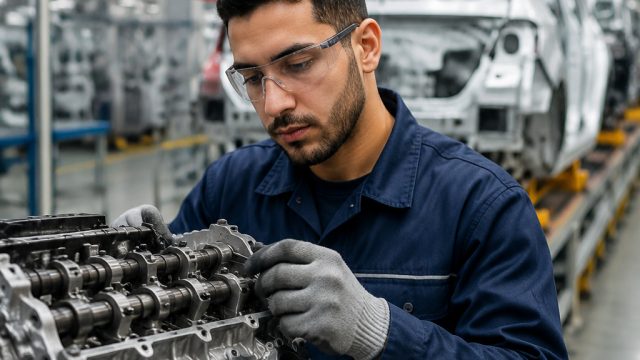
The automotive industry in Tunisia is on the brink of a significant expansion, with forecasts indicating the creation of 1,700 new jobs by 2026. This initiative is not just a boost for local employment but also a strategic move to strengthen the country's economic landscape. As global demand for automotive parts rises, Tunisia is positioning itself as a pivotal player in this sector.
Understanding the Impact on Local Employment
The introduction of 1,700 new positions in the automotive sector is expected to have a profound impact on local communities. These jobs will primarily cater to various sub-sectors within the automotive industry, including manufacturing, logistics, and engineering.
Job Variety and Opportunities
- Manufacturing roles: These positions will focus on assembling vehicle components and ensuring quality control.
- Technical jobs: Engineers and technicians will be needed to develop innovative automotive solutions.
- Logistics support: Management and coordination roles in supply chains will be crucial for timely operations.
This diverse range of job opportunities is essential for attracting a skilled labor force and will help to reduce the unemployment rate in Tunisia.
Economic Growth Through Automotive Sector Expansion
Tunisia's investment in the automotive industry is a strategic response to the growing global demand for vehicle components. As countries pivot towards green and sustainable transportation options, the automotive sector is becoming more relevant than ever.
Global Trends Driving This Expansion
Several trends are influencing this growth in Tunisia's automotive sector:
- Increased Global Demand: As the need for electric vehicles grows, so does the demand for parts and components.
- Technological Advancements: Innovations in automotive technology require skilled professionals to keep up with development.
- Strategic Location: Tunisia's geographic position enhances its attractiveness for automotive manufacturers looking to serve European markets.
These factors not only encourage new businesses to consider Tunisia for establishing operations but also incentivize existing companies to expand their workforce.
Challenges and Considerations Ahead
While the potential for job creation is exciting, several challenges must be addressed to ensure the success of this initiative. Investments in training and development will be essential to equip the workforce with the necessary skills for the evolving automotive landscape.
Training and Skill Development Programs
To maximize the benefits of these new jobs, the government and private sector must collaborate to implement:
- Vocational training: Creating programs that focus on the specific skills needed in the automotive industry.
- Partnerships with universities: Encouraging collaboration between educational institutions and automotive companies to ensure curricula are aligned with industry needs.
- Continuous learning opportunities: Offering current employees avenues for skill enhancement as technologies change.
By addressing these challenges proactively, Tunisia can ensure that it not only creates jobs but also fosters a competitive workforce.
Conclusion: A Bright Future for Tunisia's Automotive Industry
As Tunisia gears up for the addition of 1,700 jobs in the automotive sector by 2026, the implications for local communities, economic stability, and the country's global standing are immense. The focus on training, innovation, and strategic partnerships will be vital in transforming this vision into reality. For those looking to enter the automotive field or for businesses considering investment in Tunisia, the future looks promising. Overall, the growth of this sector is a sign of optimism and progress for the nation's economy.